April 14, 2026
Understanding the importance of veterinary care is crucial for maintaining the health and well-being of pets. This article delves into the various aspects of veterinary services, offering insights into how often you should seek professional care for your furry companions. Regular veterinary check-ups form the cornerstone of preventive health care, enabling pet owners to keep their animals in peak condition, something that has become increasingly pertinent as the percentage of pet owners in the U.S. spiked over the past 35 years.
1. Importance of Regular Veterinary Check-ups
1.1 Routine Health Assessments
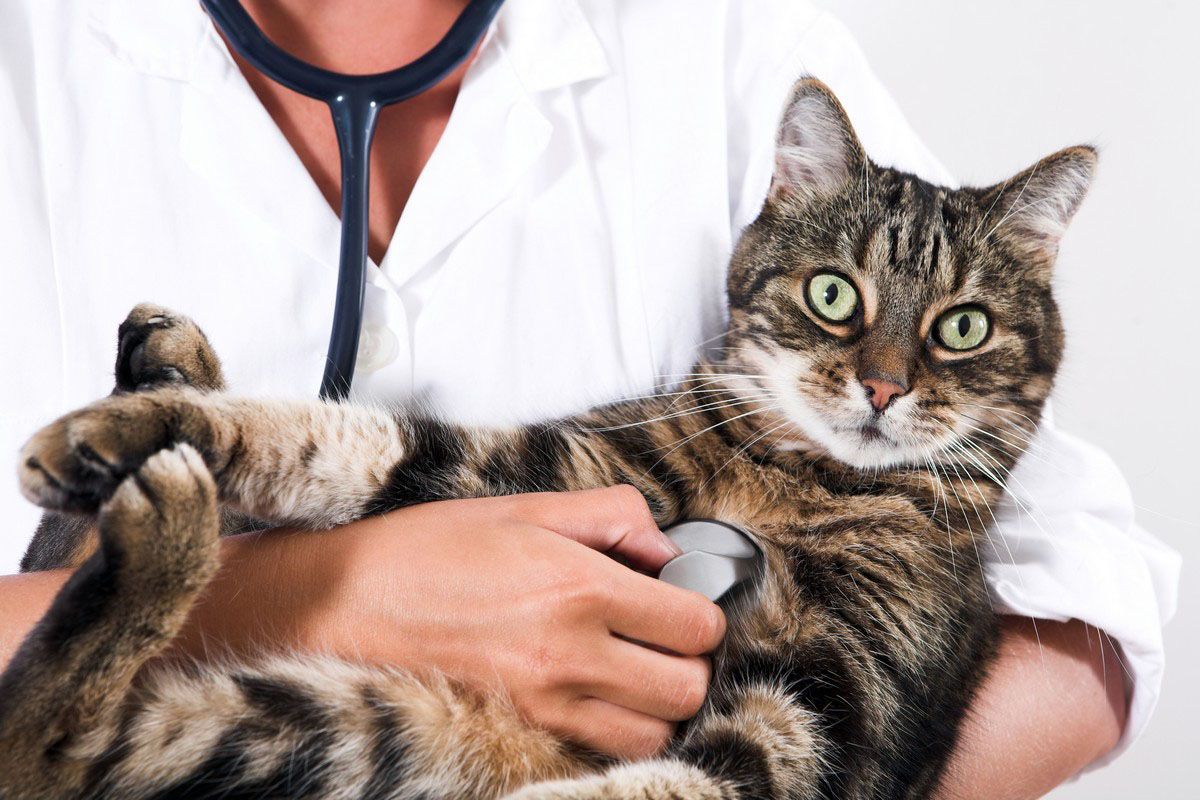
Routine health assessments are vital for detecting any potential health issues before they become serious problems. A comprehensive examination can identify anomalies such as lumps, irregular heart rhythms, or dental issues that may not be visible to pet owners. Regular visits enable veterinarians to monitor your pet's growth, vaccination status, and overall health, adjusting care and treatment as necessary. Moreover, these check-ups provide a foundational record of your pet's health that can be crucial in diagnosing conditions in the future. Ultimately, these assessments are integral to sustaining a high standard of pet health and identifying any early signs of diseases that require attention.
1.2 Preventive Care and Vaccinations
Preventive care, including timely vaccinations, is a crucial component of veterinary services. Vaccinations help protect pets from diseases that are potentially life-threatening, such as rabies, distemper, and parvovirus. Keeping pets on a regular vaccination schedule helps in building immunity and prevents outbreaks of these contagious diseases. Veterinarians provide individualized vaccination plans intended to cater to the specific needs of different breeds, ages, and lifestyles. Besides, regular vaccinations make certain that your pet remains compliant with local laws and board requirements.
1.3 Early Detection of Health Issues
Regular veterinary exams are critical for the early detection of health issues. Many conditions, if caught early, are treatable and can improve pets' quality of life substantially. For example, diseases like diabetes, arthritis, or kidney disease often show subtle signs that only a trained professional can catch. Early intervention not only lessens the severity of symptoms but can also be more cost-effective. Therefore, regular check-ups can significantly contribute to your pet's long-term health and well-being by ensuring prompt treatment of emerging issues.
1.4 Building Relationship with Your Veterinarian
Developing a trusting relationship with your veterinarian benefits both you and your pet in many ways. When a vet is familiar with your pet, they can provide more personalized recommendations and treatments. This rapport also fosters better communication, leading to accurate diagnoses and effective management of health conditions. Consistent interaction with the same veterinary team gives the pet a sense of familiarity, making visits less stressful for both the pet and the owner. Establishing this relationship enhances the overall quality of care and supports a harmonious partnership for your pet's health management.
1.5 Updating Parasite Control
Parasite control is a crucial aspect of preventive health care for pets. Regular veterinary consultations ensure your pet receives appropriate treatments for parasites such as fleas, ticks, and worms. An updated parasite control program prevents infestations and protects your pet from associated health risks, including Lyme disease and flea-borne infections. Veterinarians can recommend the best products and practices tailored to your pet's specific needs and lifestyle. By staying vigilant and proactive, pet owners can keep these pesky invaders at bay and maintain their pet's overall well-being.
2. Tailoring Veterinary Visits by Age
2.1 Pediatric Veterinary Care
Pediatric veterinary care focuses on the unique requirements of puppies and kittens. The early stages of a pet's life are crucial for vaccinations, deworming, and the establishment of a baseline for future health assessments. Veterinarians provide guidance on nutrition, behavior training, and the necessary preventive measures during these formative months. Pediatric visits not only help in ensuring optimal growth and development but also in identifying any congenital issues. Engaging in regular veterinary care from the start lays the foundation for a lifetime of good health for your pet.
2.2 Adolescent Pet Health
As pets transition from childhood to adolescence, their healthcare needs evolve. Adolescent pets require monitoring for developmental changes and behavioral shifts that occur during puberty. Veterinarians can help guide owners through this tumultuous period, offering advice on socialization, diet changes, and alterations in exercise routines. This phase may also require adjustments in vaccination schedules and parasite control strategies. Engaging in regular veterinary visits during this time ensures that adolescent pets remain on a healthy trajectory toward adulthood.
2.3 Adult Pet Annual Exams
For adult pets, annual exams become the standard protocol for maintaining overall health. These exams often include comprehensive physical assessments, dental check-ups, and necessary laboratory tests. An adult veterinary schedule ensures that all preventive measures, such as vaccinations and parasite control, remain up-to-date. Consistent annual check-ups also provide a platform for discussing any changes in behavior, diet, or activity level with your veterinarian. Such visits contribute to the longevity and health of your pet by proactively addressing any health concerns.
2.4 Senior Pet Health Monitoring
Senior pets, typically over the age of seven for most breeds, require more frequent veterinary attention. Changes in metabolism, increased susceptibility to diseases, and the onset of age-related conditions necessitate biannual exams. Regular veterinary visits allow for the early detection and management of chronic conditions, such as arthritis and organ issues. Senior pet care focuses on enhancing quality of life by managing pain, mobility issues, and dietary needs. Such vigilant health monitoring supports a comfortable and happy life for aging pets.
2.5 Special Needs for Geriatric Pets
Geriatric pets, often those in the final stages of their life, require specialized care tailored to their advanced age. These pets may need more frequent health assessments to manage complex medical conditions like heart disease or diabetes. Veterinarians work closely with pet owners to adjust medications, provide palliative care, and ensure that geriatric pets maintain a high quality of life. Regular visits facilitate prompt adjustments in treatment plans based on the pet's evolving health status. Such attentive care is essential for ensuring the comfort and dignity of your beloved pet in their twilight years.
3. Recognizing Symptoms that Require Immediate Attention
3.1 Behavioral Changes and Agitation
Behavioral changes and agitation in pets can be indicators of underlying health issues that warrant immediate veterinary attention. A typically calm pet displaying sudden aggression, anxiety, or lethargy may be experiencing pain or discomfort. Veterinarians evaluate these symptoms to determine if they are caused by medical conditions or environmental factors. Identifying and addressing these changes promptly can prevent more serious health problems from developing. Early intervention ensures that any underlying issues are diagnosed and treated effectively, safeguarding your pet's well-being.
3.2 Sudden Weight Loss or Gain
Sudden weight fluctuation in pets is often a red flag and requires timely veterinary evaluation. Weight loss can indicate serious issues like gastrointestinal problems, kidney disease, or cancer, while weight gain might suggest diabetes, hormonal imbalances, or poor diet. Veterinarians can conduct thorough examinations and diagnostic tests to identify the cause of the weight change. Addressing these issues early on prevents the escalation of minor health concerns into life-threatening conditions. Keeping track of your pet's weight and acting on any sudden changes is vital for maintaining their overall health.
A balanced approach to veterinary care not only extends the life of your pets but also enhances their quality of life. Regular consultation with your veterinarian ensures a proactive approach to your pet's health. Remember, timely veterinary visits can prevent minor issues from turning into major health problems. According to Forbes, the percentage of pet owners in the U.S. spiked over the past 35 years. Be sure to reach out to Green Tree Animal Hospital today for more information on our professional veterinary services!