March 19, 2026
Supporting senior pets is imperative as they face unique challenges that differentially impact their health and quality of life. Aging pets commonly suffer from a range of health issues, including arthritis, diabetes, and heart disease, which necessitate specialized veterinary care. Dedicated local vets have become key players in filling this niche area, offering tailored solutions for senior pets and comprehensive support for their owners. With customized healthcare, nutritional guidance, and emotional encouragement from the vet, pets in their golden years can experience improved well-being and longevity.
Informational Overview of Senior Pets
Senior pets commonly face several health challenges that require prompt attention and intervention. Conditions such as arthritis, diabetes, and cognitive dysfunction syndrome can significantly impact their quality of life. Early recognition and diagnosis by a knowledgeable veterinarian are crucial to managing these issues effectively. Offering regular screenings and utilizing advanced diagnostic tools allows local vets to detect and treat these conditions swiftly. This proactive approach provides pet owners with peace of mind and helps pets enjoy healthier, more comfortable lives.
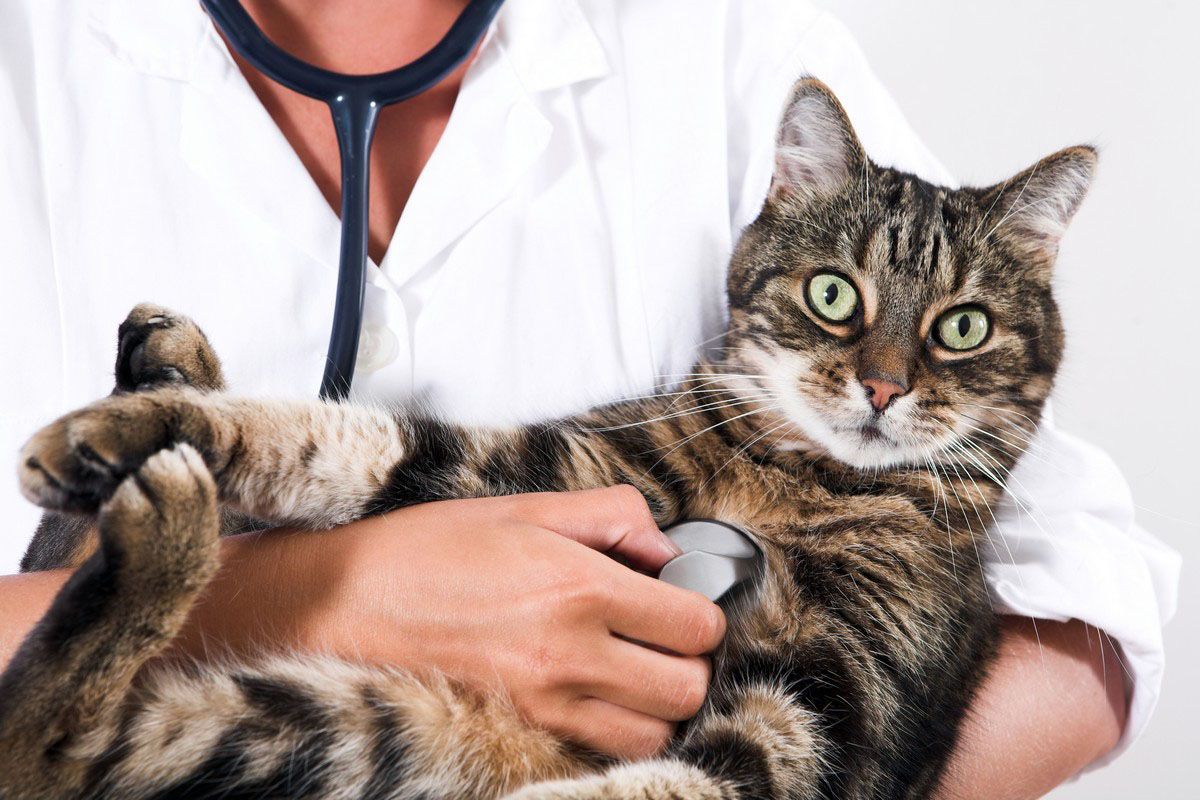
Regular check-ups are a cornerstone of maintaining a senior pet's health. These visits allow the vet to monitor the pet’s overall well-being and detect potential issues early. According to AVMA, veterinary care utilized 32.4% of a household's total pet-related expenses in 2025, indicating the value placed on these crucial services. The local vet emphasizes the significance of these routine exams to prevent the exacerbation of existing conditions and to identify new health concerns.
Mobility issues are common in senior pets, often resulting from arthritis or muscle atrophy. The local vet offers a range of solutions to help mitigate these challenges, including physical therapy and customized exercise regimens. These interventions are designed to maintain muscle strength, improve joint function, and increase mobility. The vet also provides advice on home modifications that can aid in alleviating the stress on joints and bones, making everyday activities more accessible. By addressing mobility concerns, the vet assists pets in maintaining independence and participating in family activities.
Comprehensive Health Care Services
Each pet has unique healthcare needs that evolve with age, necessitating individualized treatment plans. The local vet dedicates time to crafting personalized strategies that address specific medical conditions and lifestyle factors. These tailored plans integrate various treatment modalities such as medication, therapy, and specialized diets, depending on the pet's requirements. Owner collaboration is encouraged for the plan to feasibly align with the pet's daily routine.
Ongoing monitoring and follow-up appointments are vital to managing senior pets' evolving health needs. Local vets establish a routine schedule to assess recovery and adaptation to treatment plans, making adjustments as necessary. These visits provide an opportunity to evaluate the effectiveness of interventions and to catch any emerging health concerns early. The vet's commitment to continuous care allows pets to receive consistent support while upholding their quality of life.
Pain management is a critical component of senior pet care, as pets often experience discomfort due to age-related conditions. The local vet employs various pain management techniques such as medications, supplements, and complementary therapies. Therapeutic options like acupuncture and massage therapy are also explored to alleviate chronic pain. The vet educates pet owners on recognizing signs of pain and distress, enabling them to respond effectively.
Nutritional and Dietary Support
Creating balanced meal plans for senior pets is crucial for supporting their health and longevity. The local vet develops individualized diets that cater to each pet's nutritional needs and medical conditions. Emphasis is placed on providing the right balance of proteins, fats, and carbohydrates, along with essential vitamins and minerals. Pet owners receive comprehensive guidance on portion sizes, feeding schedules, and suitable food types. This proactive approach to nutrition helps prevent diet-related health issues and contributes to maintaining optimal energy levels and health.
Special dietary needs often arise in senior pets with chronic conditions like kidney disease, diabetes, or obesity. The local vet formulates diets specially designed to manage health challenges while promoting proper nutrition. These diets may include low-sodium options, reduced-calorie formulations, or high-fiber ingredients tailored to the pet's condition. The vet's expertise in therapeutic nutrition supports owners in making informed feeding choices that align with veterinary recommendations. By addressing dietary requirements, the vet enhances the pet's quality of life and disease management.
Dietary supplements can play a valuable role in a senior pet's health regimen. The vet recommends specific supplements that may enhance joint health, skin condition, and overall vitality. Products containing omega-3 fatty acids, glucosamine, and antioxidants are commonly suggested to support aging bodies. Hydration is imperative for senior pets, as they are at higher risk of dehydration due to declining kidney function and other age-related factors. Local vets stress the importance of consistent access to fresh water and may recommend adding wet food to their diet.
Emotional and Behavioral Support
Behavior changes in senior pets often signal underlying health or emotional issues that need addressing. The local vet works closely with pet owners to identify and interpret these changes, offering insights into their potential causes. Common behavioral changes may include increased anxiety, aggression, or alterations in sleep patterns. Recognizing these cues early enables the vet to recommend appropriate interventions, such as environmental modifications or behavior training.
Engaging senior pets in enrichment activities stimulates their minds and supports emotional well-being. The local vet recommends a range of activities, from interactive toys and puzzles to safe sensory experiences like scent detection games. These activities keep pets mentally active, preventing cognitive decline and promoting happiness. The vet educates pet owners on crafting environments that encourage exploration and play, using ordinary household items and innovative pet products.
Separation anxiety can intensify as pets age, requiring understanding and management by pet owners. The local vet provides resources and strategies to tackle this issue, such as establishing predictable routines and gradually desensitizing the pet to alone time. Training techniques, environmental adjustments, and calming aids are also suggested to ease anxiety during owner absences. The vet emphasizes the importance of patience and consistency in managing separation-related behaviors.
Educational Resources and Owner Support
In today's digital age, online resources form an integral part of supporting pet owners, particularly for busy individuals. The local vet offers a variety of online materials, including informational blogs, webinars, and downloadable guides. These resources cover essential topics like recognizing health symptoms, dietary changes, and understanding pet behavior. By providing constant access to reliable information, the vet arms pet owners with the tools they need to address concerns promptly.
Support groups play a vital role in helping pet owners navigate the challenges of senior pet care. Local vets facilitate group meetings, allowing owners to connect with others facing similar experiences. These support groups provide a safe and understanding space for discussing concerns, sharing advice, and offering companionship. Participation in such groups helps alleviate feelings of isolation and fosters a sense of community among pet owners.
Personalized consultations offer pet owners the chance to address specific issues and receive tailored advice. The local vet prioritizes these one-on-one sessions to thoroughly assess the pet's health and offer customized solutions. These consultations cover a variety of topics, from medical conditions to training methods and dietary modifications. Dedicating time to individual cases allows the vet to provide both pets and owners with attentive and comprehensive support.
The comprehensive approach of local vets in supporting senior pets and their owners exemplifies the holistic care needed to improve these animals' quality of life. They address everything from health care and nutrition to emotional well-being and community engagement, providing valuable resources that extend beyond traditional veterinary services. This collaborative and innovative approach creates a supportive environment, enabling pets and their owners to experience enriched lives together. To learn how compassionate veterinary care can support your aging pet’s health and comfort, schedule a visit with the team at Green Tree Animal Hospital today.