May 5, 2026
The human-animal bond has strengthened significantly over the years, with pets becoming integral members of many families. As pet owners invest more emotionally and financially in their animals, veterinary services play a crucial role in maintaining and enhancing overall health. These services span preventative care, medical treatment, surgical support, and general wellness. With a focus on early detection and consistent care, veterinary professionals help ensure pets live longer, healthier, and more comfortable lives. This article explores how veterinary services contribute to improving a pet's quality of life across multiple areas.
1. Essential Preventive Health Care
Schedule Routine Check-Ups
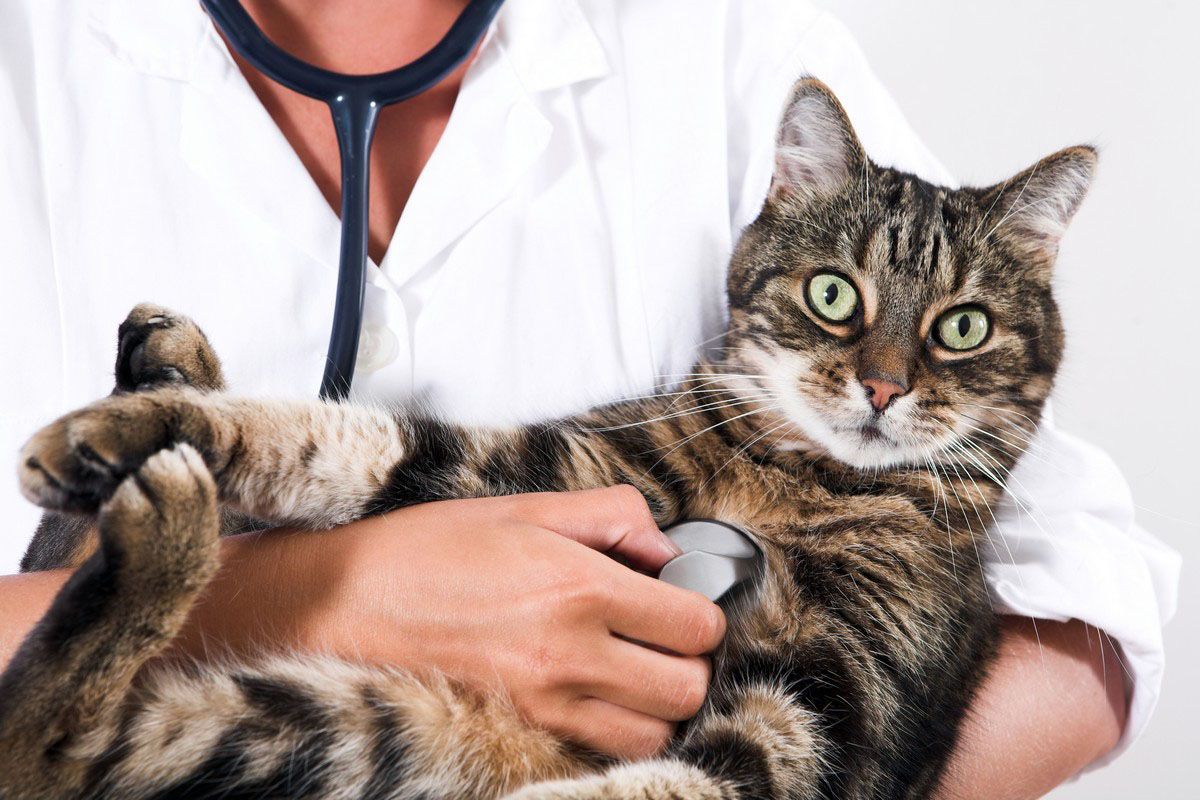
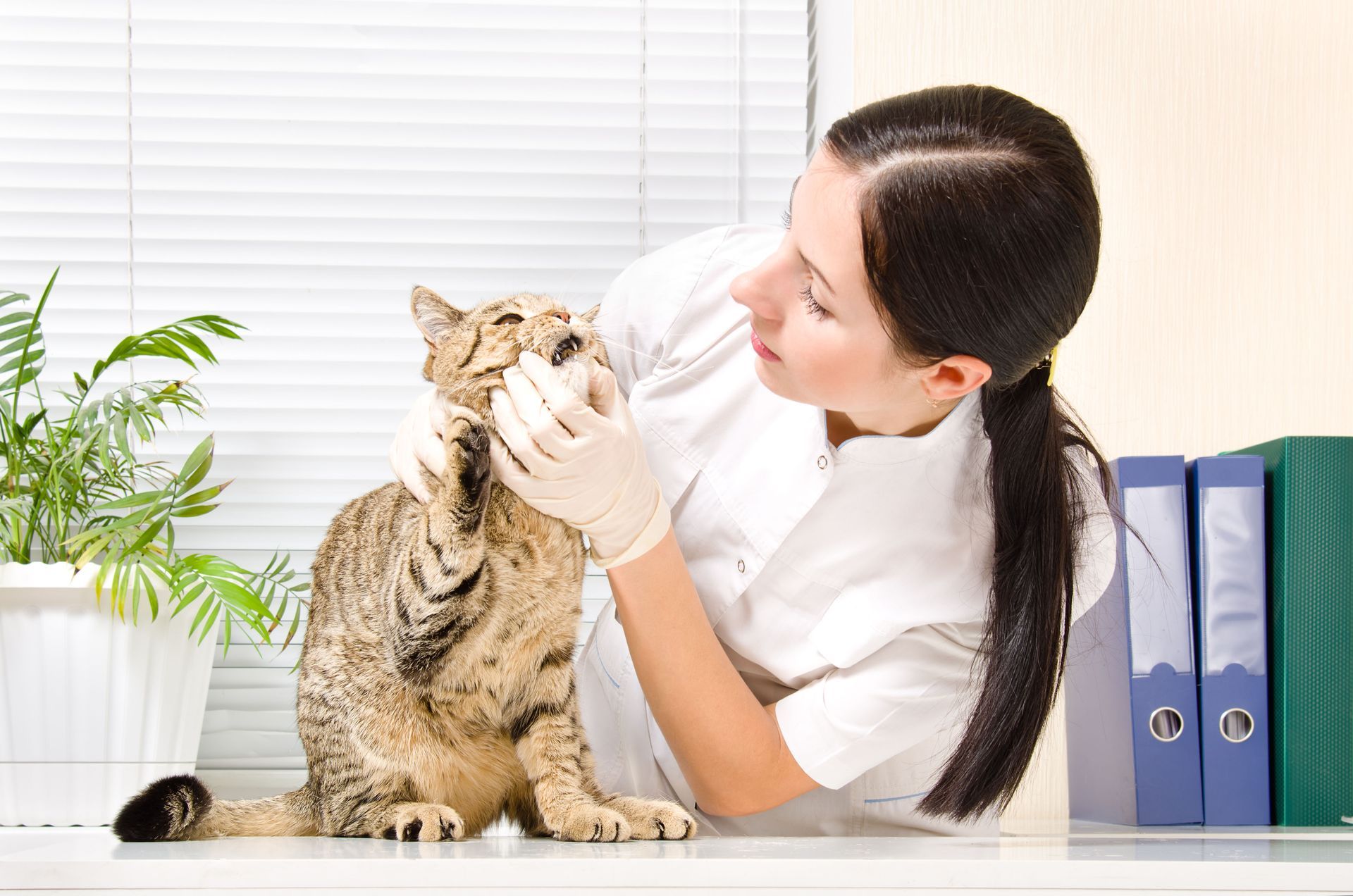
Regular health check-ups form the foundation of preventative care for pets. These examinations allow veterinarians to assess overall health and identify potential concerns early. Detecting issues in their early stages often leads to more effective treatment and better outcomes. Routine visits also give pet owners a clear understanding of a pet's condition and ongoing needs.
Administer Vaccinations
All in all, vaccinations are essential for protecting pets against infectious diseases. They help strengthen the immune system and reduce the risk of serious illness. Staying current with vaccinations supports both individual pet health and broader public safety. Incorporating vaccines into routine care helps prevent avoidable health complications.
Manage Parasite Control
Parasite prevention is an important part of maintaining pet health. Fleas, ticks, and internal parasites can lead to discomfort and more serious health conditions if left untreated. Veterinary guidance ensures pets receive appropriate preventative treatments. Ongoing parasite control helps protect pets from both immediate and long-term health issues.
Monitor Ongoing Wellness
Veterinary care extends beyond annual visits by supporting consistent health monitoring throughout a pet's life. Regular evaluations allow veterinarians to track changes in weight, mobility, and overall condition. These insights help guide adjustments in care plans as pets age or develop new health concerns. Ongoing wellness monitoring ensures pets receive timely attention that supports long-term health and comfort.
Plan Preventative Care
Preventive care plays a central role in maintaining long-term pet health. Veterinarians help establish care routines that include vaccinations, parasite prevention, and routine screenings. These measures reduce the risk of illness and support early detection when issues arise. A proactive approach to health helps pets maintain consistent quality of life over time.
2. Critical Early Detection and Treatment
Perform Diagnostic Testing
Overall, diagnostic testing is a key component of identifying health concerns early. Tools such as laboratory testing and imaging help uncover underlying issues that may not be immediately visible. Accurate diagnosis allows veterinarians to develop appropriate treatment plans. Early intervention improves outcomes and supports long-term health.
Manage Chronic Conditions
Managing chronic conditions requires ongoing care and monitoring. Veterinary professionals work with pet owners to maintain comfort and reduce the progression of long-term illnesses. Treatment plans are adjusted based on the pet's response and condition. Consistent management allows pets to maintain a stable and comfortable quality of life.
Perform Surgical Interventions
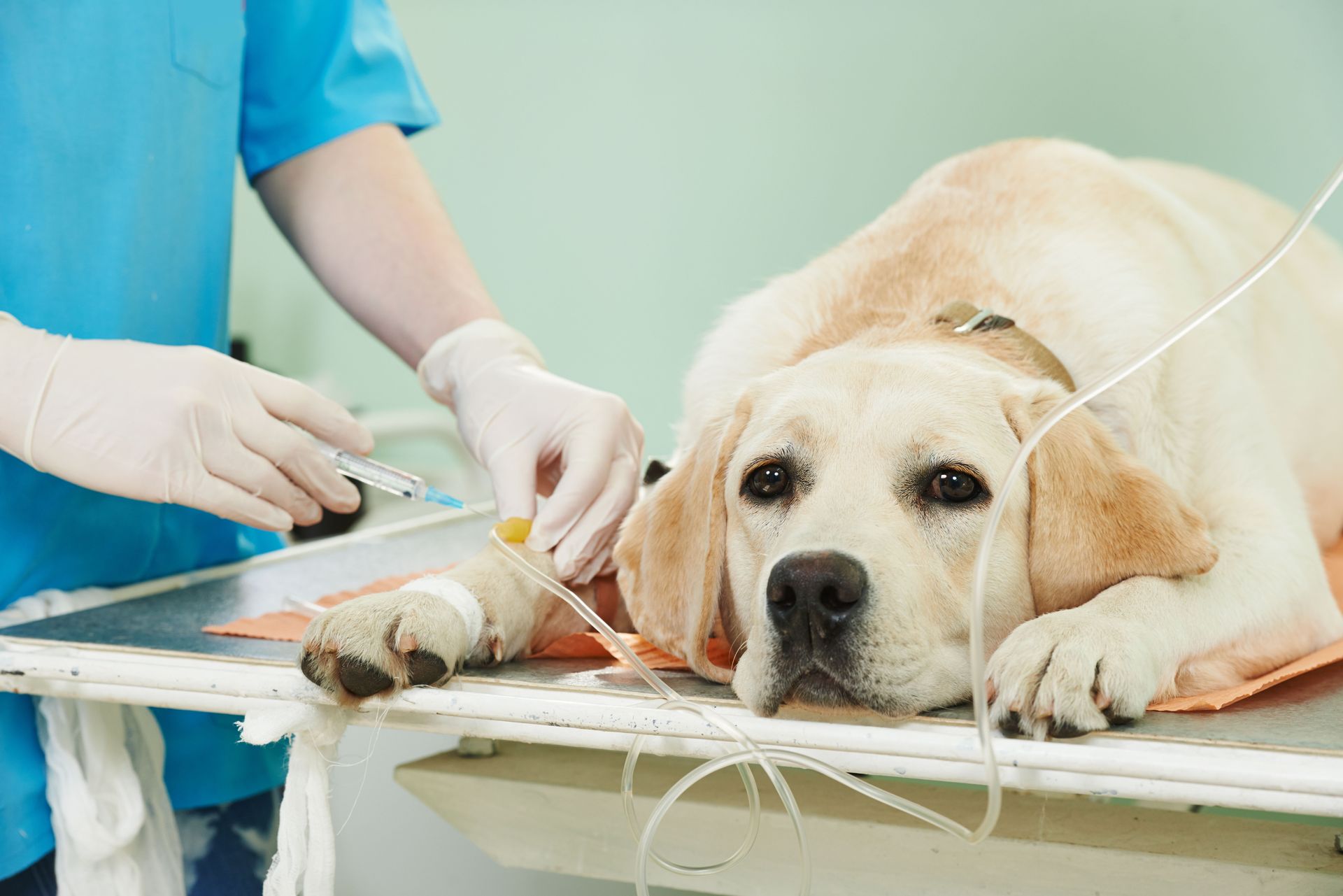
Surgical procedures are sometimes necessary to address injuries or medical conditions. These procedures can correct issues, alleviate discomfort, and prevent further complications. Veterinary teams provide careful oversight throughout the surgical process. Timely intervention helps improve recovery and long-term outcomes.
Provide Comprehensive Medical Care
Veterinary services include diagnosing and treating a wide range of medical conditions. From acute illnesses to ongoing health concerns, veterinarians develop treatment plans based on each pet's needs. Access to veterinary services ensures pets receive appropriate interventions when health issues arise. This level of support contributes directly to improved outcomes and overall well-being.
3. Advanced Supportive and Integrative Care
Provide Acupuncture Therapy
Acupuncture is used as a complementary treatment to support pain management and recovery. This approach can help improve mobility and reduce discomfort in pets with chronic conditions or injuries. By stimulating specific points in the body, acupuncture promotes natural healing responses. It is often used alongside traditional treatments to enhance overall care.
Deliver Regenerative Medicine
Stem cell therapy is an advanced treatment option that supports healing and tissue repair. It is often used for conditions affecting joints, ligaments, and mobility. This type of therapy can help reduce inflammation and improve function. Regenerative medicine offers an additional option for improving quality of life in certain cases.
4. Responsive Emergency and Surgical Support
Handle Urgent and Emergency Care
Veterinary professionals are equipped to handle urgent medical situations that require immediate attention. Prompt evaluation and treatment can significantly impact outcomes during critical events. Access to veterinary services in urgent situations helps stabilize pets and begin appropriate treatment quickly. This responsiveness plays an important role in protecting pet health.
Treat Trauma Care Needs
Injuries resulting from accidents or other incidents require prompt and careful treatment. Veterinary teams assess the extent of injuries and provide necessary interventions to support recovery. Addressing trauma quickly helps reduce complications and improve healing outcomes. Proper care supports a safer and more complete recovery process.
Address Poison Treatment
Exposure to harmful substances can pose serious risks to pets. Veterinary professionals provide treatment to address toxicity and minimize its effects. Early intervention is critical in these situations to improve outcomes. Guidance from veterinarians also helps pet owners reduce risks within the home environment.
Support Surgical and Post-Operative Care
Surgical care includes not only the procedure itself but also thorough preparation and follow-up. Veterinary teams monitor pets closely before and after surgery to support safe recovery. Post-operative care includes guidance on medications, activity levels, and follow-up visits. This structured approach helps ensure proper healing.
5. Compassionate End-of-Life Care
Provide Palliative Care
Overall, palliative care focuses on maintaining comfort for pets with serious or declining health conditions. Veterinary professionals provide care aimed at reducing discomfort and supporting quality of life. Adjustments are made as needed to respond to changes in condition. This approach prioritizes the pet's well-being during challenging stages of life.
Manage Pain Effectively
Managing pain is an essential aspect of veterinary care, particularly for aging pets or those with chronic conditions. Veterinarians assess discomfort levels and recommend appropriate treatment options. Ongoing evaluation ensures that pain management remains effective. Supporting comfort allows pets to maintain a better quality of life.
Guide Euthanasia Services
When a pet's quality of life declines significantly, euthanasia may be considered. Veterinary professionals approach this process with care and sensitivity. The goal is to ensure the pet experiences minimal discomfort. Guidance is provided to help pet owners make informed decisions during this time.
6. Practical Wellness and Lifestyle Support
Offer General Wellness Guidance
Veterinarians provide guidance that supports overall pet health and daily care. This includes recommendations for maintaining consistent routines and monitoring physical condition. Regular check-ups help identify changes that may require adjustments. Ongoing guidance contributes to long-term health and stability.
Recommend Exercise Plans
Physical activity plays an important role in maintaining a pet's overall health. Veterinarians can help determine appropriate activity levels based on age, breed, and condition. Regular exercise supports mobility, cardiovascular health, and general well-being. Staying active contributes to a healthier and more balanced lifestyle.
Maintain Grooming and Hygiene
Proper grooming supports cleanliness, comfort, and skin health. Regular grooming helps prevent matting, irritation, and hygiene-related concerns. According to ZipDo Education Reports, over 60% of American pet owners prefer professional grooming services. Maintaining hygiene contributes to overall comfort and well-being and supports long-term health outcomes.
Veterinary care is essential for maintaining a pet's overall well-being, supporting everything from routine health to more complex medical needs. With a combination of veterinary services, treatment options, and advanced therapies, pets can receive thoughtful, consistent support throughout every stage of life. Ongoing attention helps identify concerns early and promotes better long-term outcomes. To explore available services and see how our pets can benefit, learn more at Green Tree Animal Hospital.