April 20, 2026
In this article, we explore the pivotal role local veterinarians play in enhancing the long-term wellness of pets. From preventive care to personalized treatment plans, discover how your local vet can be your pet's best ally in achieving optimal health.
The Importance of Regular Check-Ups
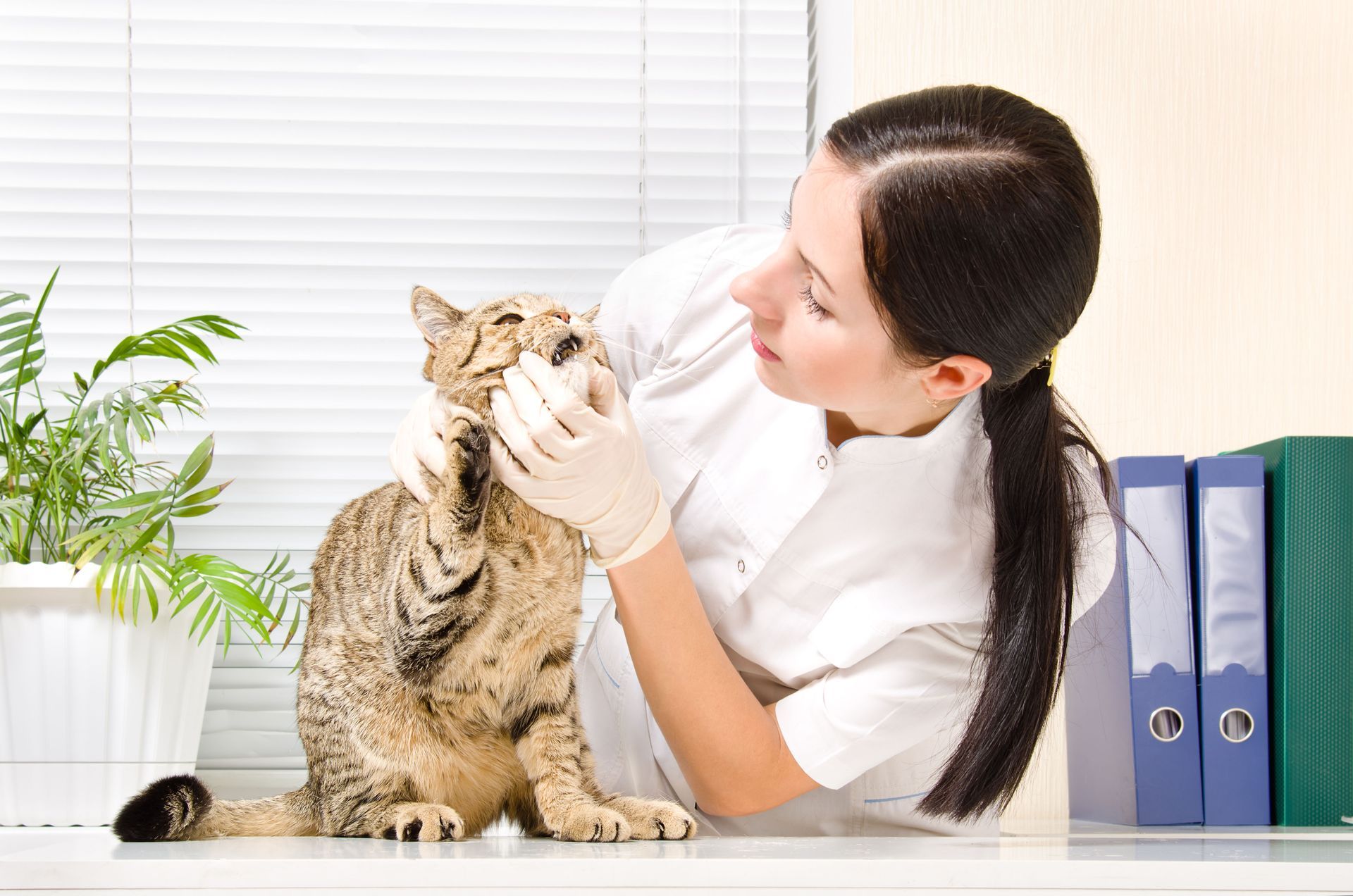
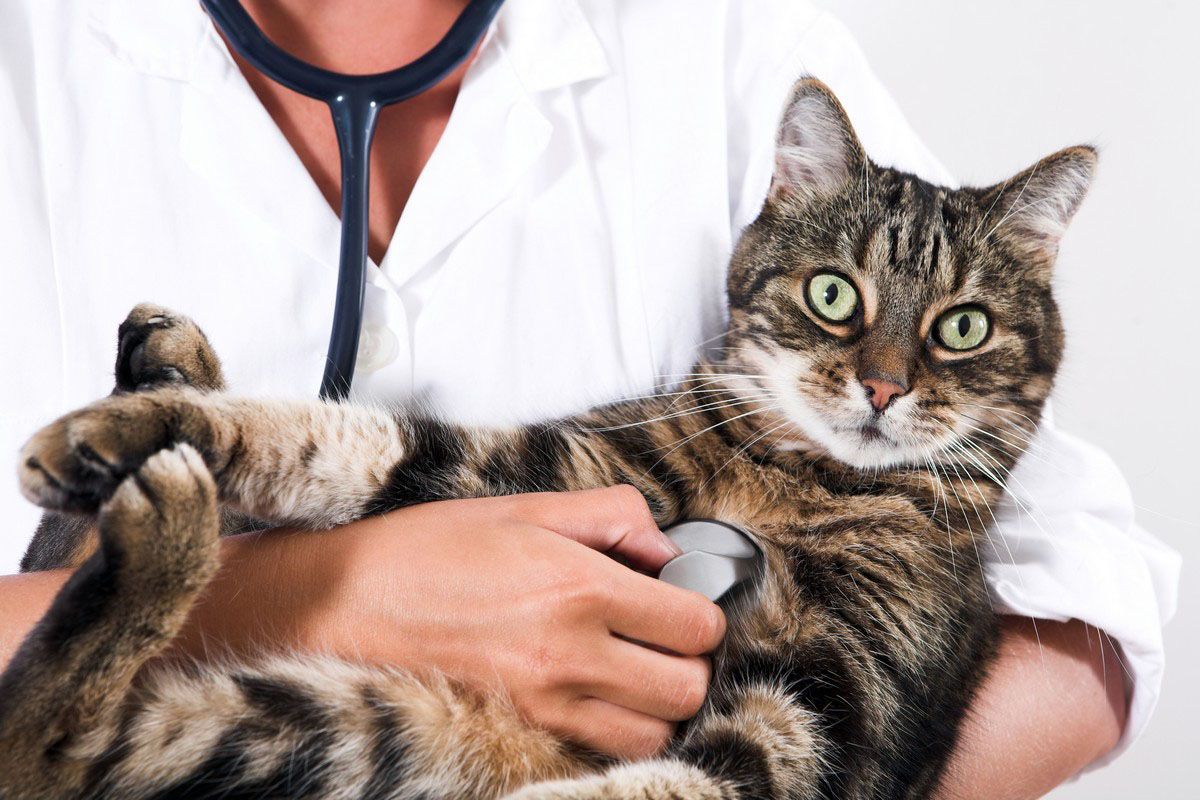
Regular check-ups with a local veterinarian are essential for maintaining your pet's health. These visits allow for early detection of potential health issues, which can be addressed before they become severe. A veterinarian can monitor your pet's development and growth, ensuring they are on track with their age and breed-specific milestones. During these appointments, vaccination updates and protocols are reviewed to protect your pet from preventable diseases. Additionally, dental health assessments are conducted to prevent oral diseases that can affect overall health.
Building a comprehensive health history is another significant benefit of regular check-ups. This history provides valuable insights into your pet's health trends over time, aiding in more accurate diagnoses and personalized treatment plans. Regular visits also strengthen the bond between your pet and the veterinarian, making future visits less stressful. Moreover, these check-ups offer an opportunity to discuss any concerns or changes in your pet's behavior or lifestyle. With 66% of U.S. households owning a pet, according to Forbes, the demand for regular veterinary care is more important than ever.
Early detection of health issues during regular check-ups can save on costly treatments in the long run. Preventive care is always more effective and less expensive than reactive treatments. Veterinarians can provide guidance on nutrition, exercise, and other lifestyle factors that contribute to your pet's overall well-being. They are also equipped to handle emergencies, providing peace of mind to pet owners. Ultimately, regular veterinary check-ups are a cornerstone of responsible pet ownership, ensuring your pet's long-term health and happiness.
Nutrition and Diet Planning
Nutrition plays a pivotal role in your pet's health, and a local veterinarian can provide tailored dietary recommendations. These recommendations consider your pet's age, breed, and health conditions to ensure they receive the right nutrients. Weight management strategies are also crucial, as obesity can lead to various health problems. Veterinarians can help design a diet plan that maintains a healthy weight and supports your pet's overall wellness.
A balanced diet is vital for preventing diseases and promoting longevity in pets. Veterinarians emphasize the importance of balanced diets, which include the right proportions of proteins, fats, carbohydrates, vitamins, and minerals. They can also address food allergies and sensitivities, which are common in pets and can cause discomfort or health issues. Regular consultations with a vet can help identify and eliminate allergens from your pet's diet. This personalized approach to nutrition ensures that your pet enjoys a healthy and vibrant life.
Veterinarians stay updated on the latest research in pet nutrition, allowing them to provide evidence-based advice. They can recommend high-quality commercial pet foods or help you prepare home-cooked meals that meet your pet's nutritional needs. By working with a local veterinarian, you can prevent common dietary-related health issues such as obesity, diabetes, and gastrointestinal disorders. Good nutrition is the foundation of a healthy immune system, enabling your pet to fight off infections and diseases.
Preventive Care and Vaccinations
Preventive care is a proactive approach to maintaining your pet's health, and vaccinations are a critical component. Core vaccinations protect pets from life-threatening diseases and are essential for their long-term wellness. Veterinarians administer these vaccines according to a schedule tailored to your pet's specific needs. In addition to vaccinations, flea, tick, and parasite control are vital aspects of preventive care. These parasites can transmit diseases and cause discomfort, making regular prevention measures necessary.
Spaying and neutering are also part of preventive care, offering numerous health and behavioral benefits. These procedures help prevent certain cancers and reduce the risk of behavioral issues such as aggression and roaming. Heartworm prevention is another critical aspect, especially in areas where mosquitoes are prevalent. Regular screening tests are conducted to detect heartworm and other health issues early. By prioritizing preventive care, pet owners can ensure their pets lead longer, healthier lives.
Veterinarians educate pet owners on the importance of preventive care, empowering them to make informed decisions. They provide guidance on the best products and practices for flea, tick, and parasite control. Regular wellness exams allow veterinarians to assess the effectiveness of preventive measures and adjust them as needed. Preventive care is an investment in your pet's future, reducing the risk of costly treatments for preventable diseases.
Customized Exercise and Activity Plans
Exercise is crucial for maintaining your pet's physical and mental health, and veterinarians can create customized activity plans. These plans are based on factors such as age, breed, and health status, ensuring they meet your pet's specific needs. Exercise plans help prevent obesity, improve cardiovascular health, and enhance overall well-being. Mental stimulation and enrichment are also important, as they prevent boredom and behavioral issues.
Addressing behavioral issues is another aspect of customized exercise plans. Regular exercise can reduce anxiety, aggression, and destructive behaviors in pets. Veterinarians can identify the root causes of behavioral issues and suggest appropriate solutions. Indoor vs. outdoor activities are considered, with safety and accessibility in mind. A consistent routine is emphasized, as it helps establish healthy habits and provides structure for your pet.
Veterinarians can guide pet owners in balancing rest and activity, preventing overexertion or under-stimulation. They can recommend modifications for pets with special needs or chronic conditions, ensuring they receive adequate exercise. By following a veterinarian's recommendations, pet owners can enrich their pets' lives with enjoyable and beneficial activities. Exercise is a key component of a holistic approach to pet care, promoting longevity and happiness. Ultimately, a customized exercise plan is vital for maintaining your pet's physical and mental well-being.
Specialized Care for Chronic Conditions
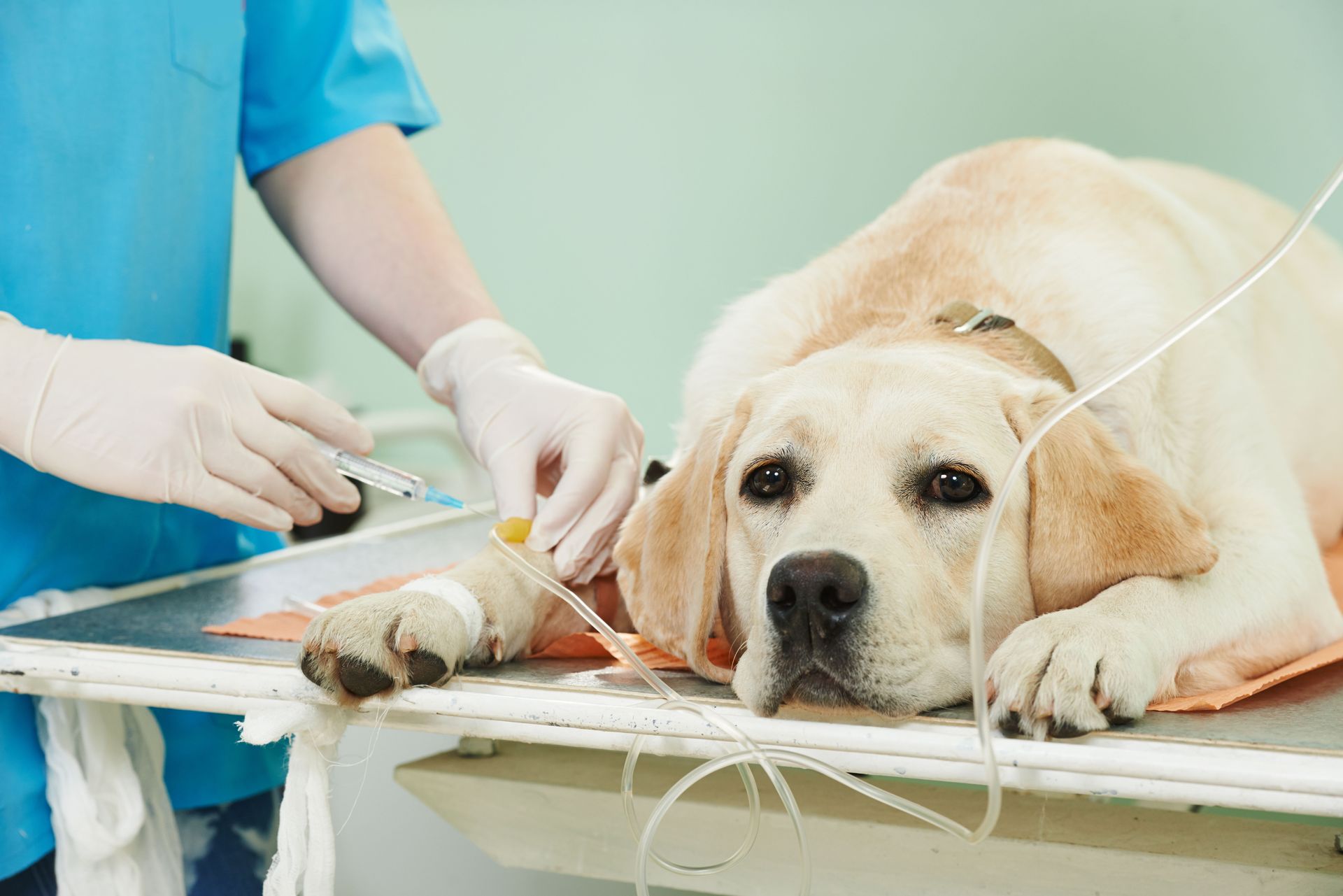
Chronic conditions require specialized care, and local veterinarians are equipped to manage these complex health issues. Managing arthritis and mobility issues is a common concern, especially in older pets. Veterinarians can recommend medications, supplements, and therapies to alleviate pain and improve mobility. Diabetes and endocrine disorders require careful monitoring and management, including dietary adjustments and insulin therapy. Regular check-ups and blood tests are essential for monitoring these conditions and preventing complications.
Cardiac health monitoring is crucial for pets with heart disease or risk factors. Veterinarians can perform diagnostic tests to assess heart function and recommend appropriate treatments. Kidney and liver health management is also important, as these organs play vital roles in detoxification and metabolism. Early detection of kidney or liver issues allows for timely intervention and better outcomes. V
Cancer care and treatment options are another area where local veterinarians provide invaluable support. They can offer diagnostic services, treatment plans, and palliative care for pets with cancer. Innovative therapies and technologies are continually advancing, providing new hope for pets with cancer. Veterinarians collaborate with specialists to ensure your pet receives the best possible care. By providing specialized care for chronic conditions, local veterinarians help improve your pet's quality of life and longevity.
The Role of Technology in Veterinary Care
Technology is transforming veterinary care, offering new opportunities for diagnosis and treatment. Telemedicine services for pets are becoming increasingly popular, allowing pet owners to consult with veterinarians remotely. This convenience is especially valuable for routine check-ups, follow-up consultations, and minor health concerns. Advanced diagnostic tools, such as digital imaging and laboratory testing, provide accurate and timely results.
Innovative treatment technologies, such as laser therapy and regenerative medicine, are improving outcomes for pets with various health conditions. These therapies offer non-invasive and effective solutions for pain management, wound healing, and tissue regeneration. Electronic health records for pets streamline the management of medical information, ensuring accurate and accessible records.
Technology enhances communication between pet owners and veterinarians, facilitating better collaboration and care. It also empowers pet owners with access to reliable information and resources for pet health management. By embracing technology, veterinarians can offer more comprehensive and personalized care for their patients.
A local veterinarian is an indispensable partner in maintaining and enhancing your pet's long-term health. Through regular check-ups, personalized care, and advanced technology, veterinarians help ensure that your beloved companion enjoys a healthy and happy life. If you're looking for a caring local veterinarian, contact Green Tree Animal Hospital today.