April 16, 2026
A veterinarian's day is filled with diverse and rewarding tasks that are essential to maintaining animal health and welfare. From performing surgeries to providing preventive care, veterinarians are crucial in ensuring that the furry companions we cherish receive the best care possible. With pet ownership on the rise, the demand for skilled veterinarians continues to grow, emphasizing their vital role in animal healthcare. This article provides an in-depth look into the daily activities and responsibilities of veterinarians, highlighting the complexities and rewards of their profession.
Begin Daily Veterinary Routines
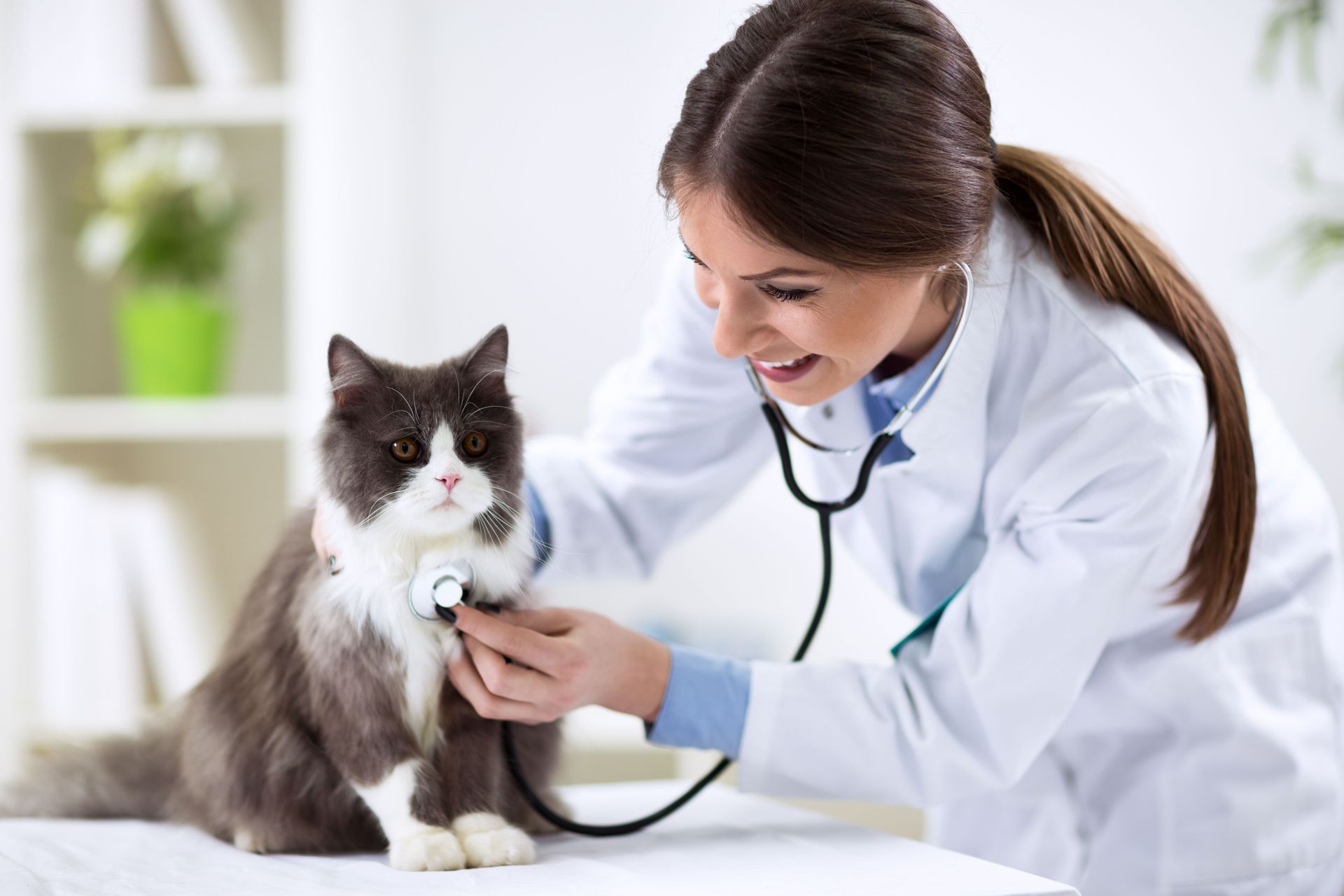
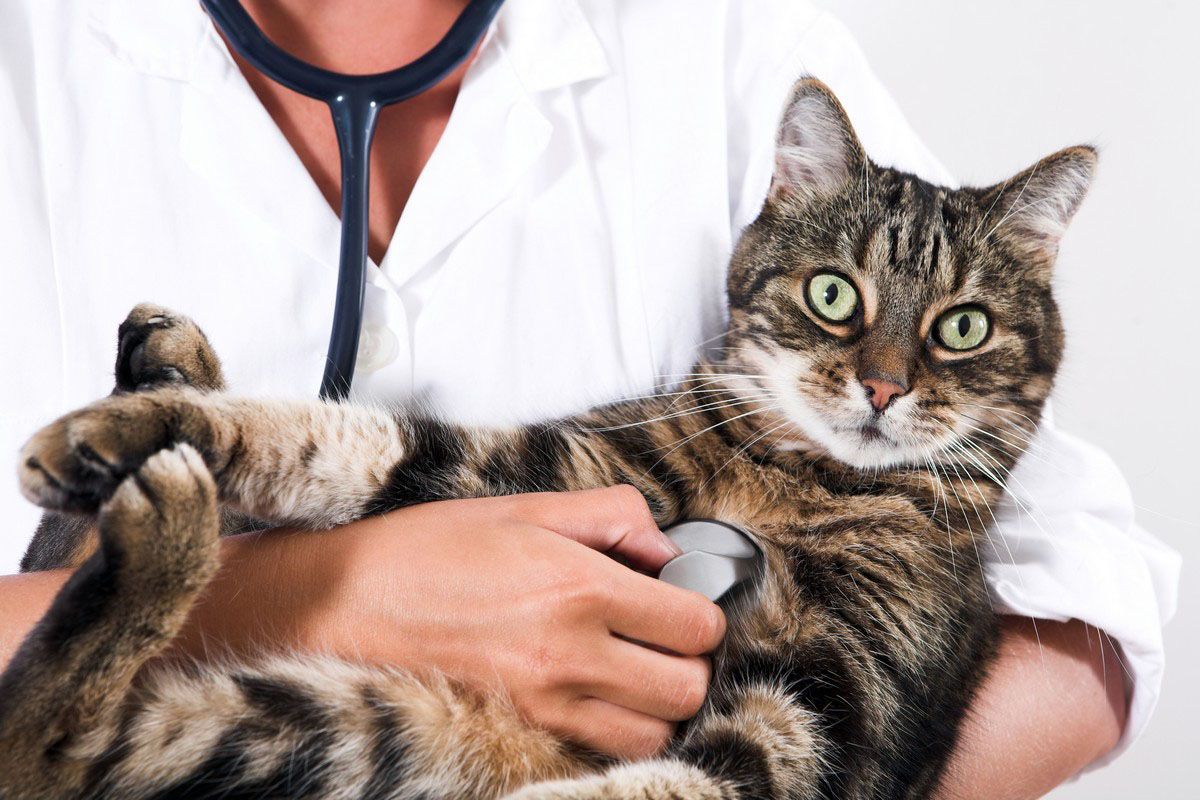
A veterinarian's day usually begins early, with a morning team briefing to review the schedule and discuss any special cases. This is followed by treating a variety of patients, from dogs and cats to exotic animals like reptiles and birds. According to Vetsource Veterinary Analytics, there are over 89 million dogs and nearly 74 million cats in the U.S., highlighting the high demand for veterinary services. Throughout the day, veterinarians consult with pet owners, diagnosing conditions and developing treatment plans, ensuring each animal receives individualized care.
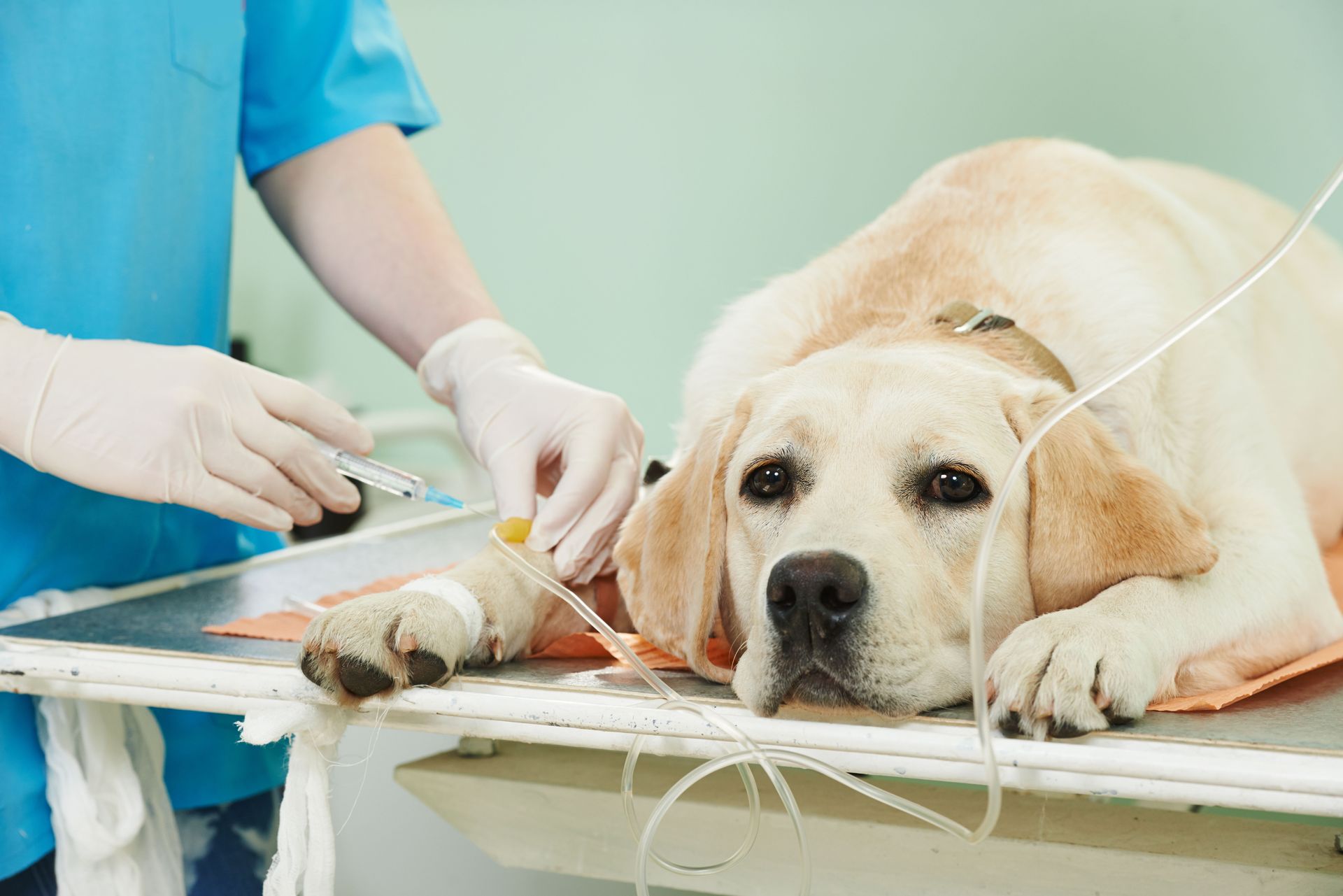
The afternoon often involves more complex procedures, such as surgeries or dental treatments. During these procedures, precision and attention to detail are paramount, as a veterinarian navigates the intricacies of animal anatomy. Each procedure varies greatly depending on the species and the individual animal's condition, requiring veterinarians to stay mentally agile and adaptable. They must also update medical records meticulously, ensuring accurate documentation for follow-up care.
In addition to hands-on animal care, veterinarians spend time on administrative duties. This includes managing clinic staff, ordering medications, and maintaining clinic equipment. Veterinarians often have to balance their immediate responsibilities with continuous learning to cope with the fast-evolving field of veterinary medicine. The final part of the day includes debriefing with staff to analyze cases and ensure seamless continuity of care for upcoming appointments.
Build Essential Veterinary Skills
Effective communication is one of the most critical skills for a veterinarian, as they must convey complex medical information to pet owners in an understandable way. The ability to listen and empathize helps veterinarians to build trust with both the animals and their owners. This relationship is crucial, as pet owners who visit a veterinarian are seeking expert advice and reassurance regarding their pet's health and well-being. Veterinarians also need strong problem-solving skills to diagnose and address a wide range of medical issues efficiently.
Technical competence and manual dexterity are other essential skills, especially when handling precision equipment or conducting surgeries. A successful veterinarian must remain calm under pressure, often making rapid decisions in high-stakes situations. This requires robust scientific knowledge, enabling them to execute medical procedures and utilize diagnostic equipment effectively. Continual learning is crucial, as the development of new veterinary technologies and treatments progresses rapidly.
Moreover, veterinarians must cultivate resilience and stress-management abilities to cope with the emotional demands of the profession. The nature of the work can be physically and emotionally taxing, involving life-and-death situations that can take a toll on mental health. Veterinarians must balance compassion and objectivity to make the best decisions for their animal patients. Adopting self-care strategies ensures that they can sustain their own well-being while providing the highest standard of care to their patients.
Handle Challenges and Stress
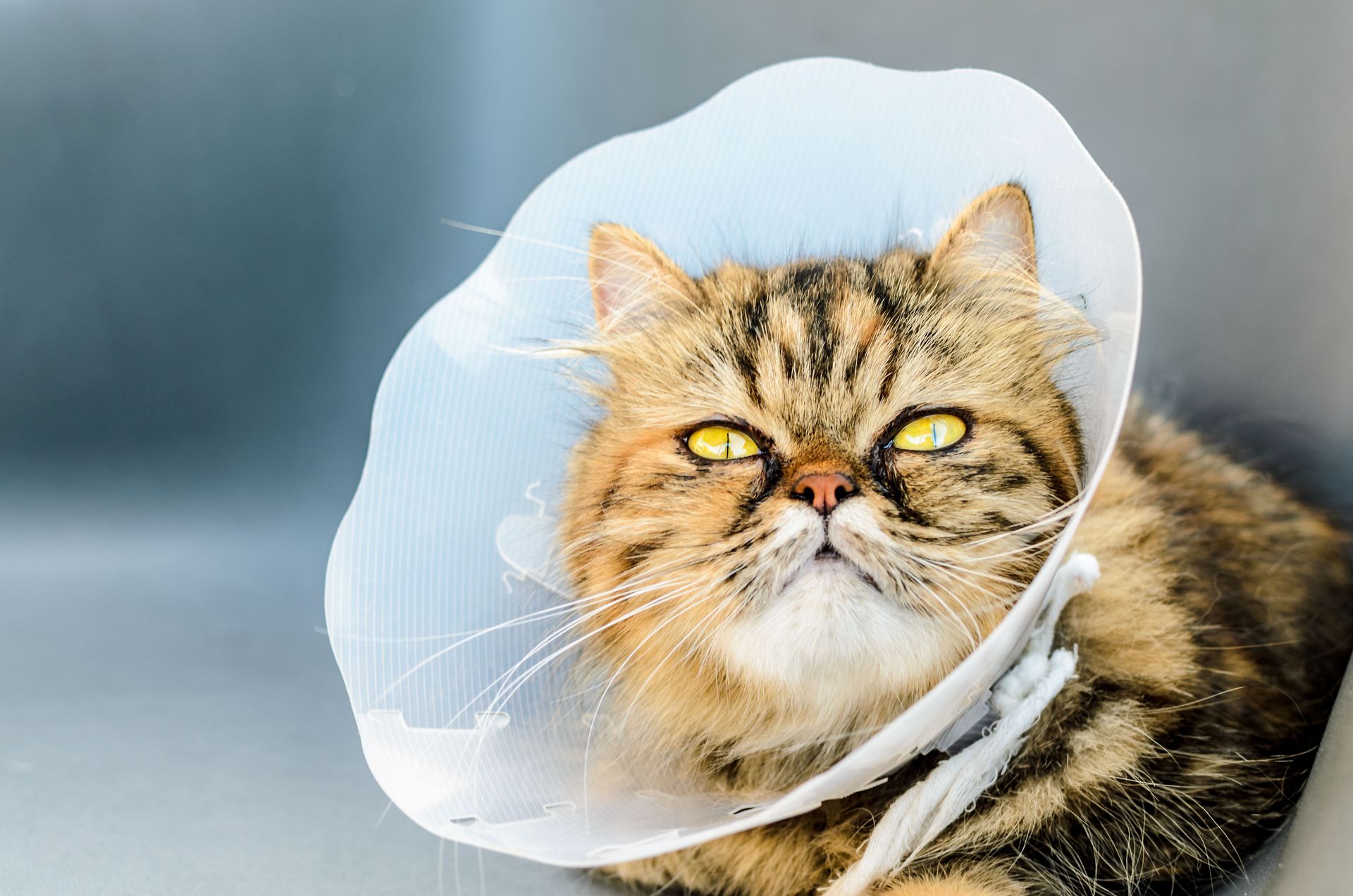
One of the significant challenges for veterinarians is managing the emotional stress of dealing with sick or injured animals. This is compounded by interactions with distressed pet owners who may struggle to make difficult decisions regarding their pet's treatment. Veterinarians are also confronted with ethical dilemmas, such as determining when it's appropriate to pursue further treatment versus end-of-life care. These situations require a careful balance of professional judgement and empathy.
The demanding workload and long hours are other challenges that veterinarians regularly face. Clinics often operate beyond typical business hours, including weekends and emergencies, which can disrupt personal life balance. Despite these challenges, veterinarians are passionate about their vocation, driven by a deep commitment to animal care. Continuous adaptation to these demands is necessary, along with strategies to prevent burnout and maintain job satisfaction.
Financial burden is another aspect of the veterinary profession, particularly regarding the cost of education and moderate salary expectations. Many veterinarians accumulate significant student debt, which can affect their financial stability post-graduation. Despite financial constraints, most are motivated by the intrinsic rewards of the profession rather than monetary gains. Advocacy for better work conditions, student loan amnesty, and industry support can alleviate some of these pressures.
Pursue Ongoing Education
Veterinarians must engage in continued education to remain abreast of the latest advancements in animal healthcare. This includes attending workshops, seminars, and conferences that provide insights into new techniques, treatments, and theories. Many professional organizations offer resources and courses that veterinarians can access to further their knowledge and expertise. Networking with peers across various specialties and regions allows for the exchange of ideas and keeps veterinarians informed about global trends in animal health.
The rise of digital technology and online platforms has also opened up new avenues for continual learning. Online courses, webinars, and e-journals offer convenient and flexible opportunities to enhance skills and learn about cutting-edge research. Peer-reviewed publications are invaluable resources for veterinarians seeking evidence-based information for better decision-making in their practice. By keeping current with scientific literature, veterinarians effectively bridge the gap between research and clinical application.
Furthermore, veterinary associations and boards often require continuing education credits for maintaining licensure. This requirement ensures veterinarians systematically update their knowledge, benefiting both their professional development and the animals they treat. Engaging in lifelong learning fosters professional growth and equips veterinarians to deliver superior healthcare to their patients amid an ever-evolving veterinary landscape.
Explore Career Opportunities
The career path for veterinarians is diverse, offering numerous opportunities for specialization and advancement. Beyond private practice, veterinarians can pursue roles in research, pharmaceuticals, academia, or governmental agencies. Such positions allow for contributions to broader public health initiatives, including zoonotic disease prevention and food safety standards. Specializations such as surgery, dermatology, and exotic animal medicine enable veterinarians to narrow their focus and develop expertise in specific areas of interest.
Leadership opportunities within veterinary organizations and hospital administration present another avenue for career advancement. Veterinarians can leverage their experience to take on management roles, influence policy, and shape the future direction of veterinary practice. Innovators in the field may also impact veterinary technology, contributing to the development of new treatments, diagnostic tools, and therapeutic approaches. These advancements have the potential to revolutionize animal healthcare, offering more effective solutions for complex medical issues.
The growing trend towards holistic and integrative medicine creates additional career possibilities for veterinarians. This approach combines conventional and alternative therapies, broadening treatment options for pet owners seeking comprehensive healthcare solutions. As pet ownership continues to climb, translating to increased demand for veterinary services, the future of veterinary medicine is both promising and expansive. Veterinarians play an integral role in animal health and welfare, with career paths that offer fulfillment and the potential for substantial societal impact.
Veterinarians hold an indispensable position in promoting animal health and welfare, dedicating their expertise to caring for our cherished pets. Despite facing significant challenges such as demanding workloads, ethical dilemmas, and financial pressures, veterinarians are driven by their passion for improving the lives of animals. Their day-to-day experiences vary widely, illustrating the dynamic and impactful nature of their work. Veterinarians continue to advance their skills and knowledge, adapting to an ever-changing field in order to deliver the highest quality animal healthcare possible. Reach out to Green Tree Animal Hospital to learn more about our services today.