December 19, 2025
The journey of owning a pet is filled with joy and responsibility. For new pet owners, feeling confident in their ability to care for their new companion is crucial. Veterinarians play a pivotal role in guiding and supporting new pet parents as they navigate the early stages of pet ownership. This article explores the various ways veterinarians contribute to building a new pet owner's confidence. Through personalized care, preventive education, and professional guidance, veterinarians become invaluable resources for pet owners embarking on this journey. According to IBISWorld, in 2024, 45.5% of U.S. households owned a dog, up from 38% in 2016, increasing caseloads for veterinary practices and driving sustained demand for services.
Conduct Comprehensive Health Assessments
Perform Initial Health Check-Ups with Thorough Examinations
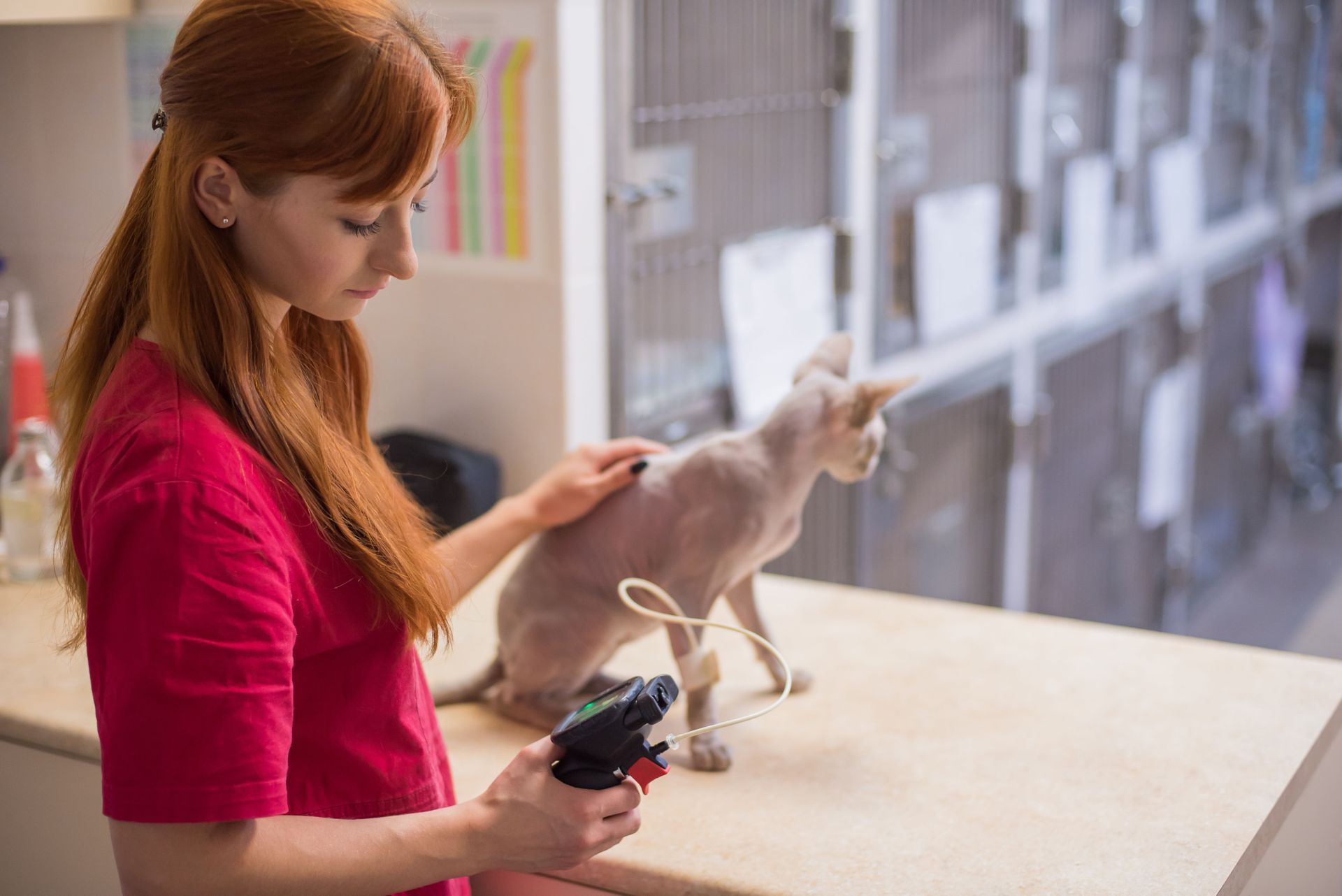
One of the first steps a local veterinarian takes to help new pet owners is conducting initial health check-ups. These assessments are crucial in establishing a baseline of health for the pet. Veterinarians conduct thorough physical examinations, checking vital signs and looking for any potential health issues. During these visits, pet owners receive detailed insights into their pet's health status and any immediate care considerations. This foundational step fosters understanding and reassurance for pet owners as they begin their journey.
Explain Vaccination Schedules and Their Importance
Vaccinations are a cornerstone of preventive health care, and veterinarians guide pet owners through the process. They explain the importance of vaccines in preventing common diseases and outline customized schedules based on the pet's age and health history. This education empowers pet owners to make informed decisions that protect their pets from potentially dangerous illnesses. Following vaccination schedules also supports the overall health of the community and ensures pets remain protected throughout their lives.
Develop Personalized Health Plans for Each Pet
Veterinarians provide personalized health plans to address the unique needs of each pet. These plans are tailored to the specific health requirements of the animal, taking into account breed, age, lifestyle, and any pre-existing conditions. Pet owners are educated on monitoring these plans and encouraged to participate actively in their pet's health journey. Personalized health plans instill confidence, offering a roadmap for maintaining pet health and addressing potential issues proactively. This approach enhances pet well-being and strengthens the bond between pet and owner.
Monitor Growth and Development Through Regular Visits
Keeping track of a pet's growth and development is essential for ensuring they reach their full potential. Veterinarians act as guides, helping pet owners monitor crucial milestones and address any developmental concerns. Regular visits are scheduled to assess progress, allowing veterinarians to provide advice tailored to each stage of growth. During these consultations, they identify patterns and offer insights that enable pet owners to provide the most supportive environment for their pets. Consistent monitoring helps identify subtle changes and ensures pets stay on a healthy path.
Provide Nutrition and Diet Guidance
Assess Dietary Needs for Optimal Pet Health
Understanding and meeting the dietary needs of pets is essential for their overall health. Veterinarians assist pet owners in assessing these needs by evaluating factors such as age, activity level, and health status. Through personalized consultations, they guide owners on selecting appropriate types and quantities of food. Pet owners learn to distinguish between different nutritional requirements and how to adjust diets to optimize health. This guidance ensures pets receive balanced nutrition, supporting growth, energy, and longevity.
Explain Pet Food Labels to Enhance Owner Understanding
Navigating pet food labels can be challenging for new pet owners, but veterinarians help demystify this process. They educate owners on how to read labels correctly, explaining terminology, ingredient lists, and nutritional information. Understanding food labels empowers pet owners to make informed decisions that align with their pet's specific dietary needs. Veterinarians emphasize the importance of selecting high-quality ingredients to promote health and prevent common dietary issues. This knowledge equips pet owners with confidence in managing nutrition and making informed feeding choices.
Establish Consistent Feeding Routines for Pets
Consistency in feeding routines is critical for a pet's well-being, and a local veterinarian will teach owners how to establish these habits effectively. During consultations, they advise on timing and frequency of feedings, considering the pet's lifestyle and energy requirements. A stable feeding routine helps regulate metabolism, maintain healthy weight, and enhance digestion. Veterinarians provide tips on feeding techniques and ways to address common dietary concerns that may arise. This approach ensures pet owners develop structured, health-promoting feeding practices.
Offer Guidance on Safe and Balanced Diets
Veterinarians provide advice on proper nutrition for pets, including selecting high-quality commercial foods suitable for the pet's age, breed, and health status. Following professional recommendations ensures pets receive balanced nutrition that supports growth, energy, and overall wellness. Pet owners learn strategies for providing meals that meet health needs while maintaining variety and quality. This guidance adds an extra layer of assurance for owners as they care for their pets.
Deliver Preventive Care Education
Emphasize Regular Check-Ups to Maintain Wellness
Regular veterinary check-ups are a fundamental aspect of preventive care, underscoring their critical role. These visits allow the local veterinarian to monitor pets' health, ensuring potential issues are detected early. During check-ups, veterinarians offer advice and adjustments to existing care routines to optimize health. Educating pet owners on the importance of these visits encourages proactive participation in maintaining ongoing wellness and enhances overall pet health outcomes.
Implement Parasite Control and Preventive Strategies
Parasite control is a vital preventive measure, and a local veterinarian will guide pet owners in this area. They educate owners on different types of parasites, such as fleas, ticks, and worms, that can affect pets. During consultations, veterinarians recommend appropriate preventive products and regimens tailored to the pet's environment and lifestyle. Understanding parasite prevention protects pets from health threats and helps maintain a safe and comfortable home environment.
Promote Dental Health for Overall Pet Wellness
Dental care is essential for maintaining overall pet health. A local veterinarian emphasizes the importance of regular dental check-ups and cleanings to prevent dental diseases and ensure oral health. They teach pet owners how to brush their pets' teeth and provide recommendations for dental-friendly products. Preventive dental care influences oral hygiene and reduces the risk of secondary health issues related to oral infections. This education encourages owners to incorporate dental care into regular routines, supporting comprehensive health.
Prepare for Emergency Situations
Identify Signs of Distress in Pets
Veterinarians educate pet owners on identifying signs of distress in their pets. This knowledge includes recognizing symptoms such as unusual behavior, changes in eating habits, or physical signs of illness. Early recognition of distress often allows for timely veterinary intervention, preventing more serious health issues. Understanding these indicators equips pet owners to respond quickly and appropriately to their pets' needs.
Teach First Aid Techniques for Immediate Response
First aid knowledge is an invaluable tool for pet owners, particularly in emergencies. A local veterinarian will provide training on basic first aid techniques, which include bandaging wounds, managing choking, and stabilizing limbs. This education empowers pet owners to act as first responders and provide immediate assistance until professional care is available. Having these skills increases confidence and ensures pets receive prompt attention when necessary.
New pet owners often face a steep learning curve when caring for a new companion. A local veterinarian will offer guidance, health assessments, and tailored care plans that help build confidence and ensure pets thrive. By providing expert advice and support, they empower owners to make informed decisions and foster strong, healthy relationships with our pets. To explore how Greentree Animal Hospital can support us and our pets, learn more.