January 19, 2026
Understanding preventive care is crucial for ensuring the long-term health and well-being of animals. Preventive care encompasses a broad range of practices, including nutritional management, vaccination, parasite control, regular health screenings, and fostering collaboration with pet owners. Let's take a moment to explore the various methods and strategies employed by veterinarians to prevent diseases and maintain optimal health in pets and livestock.
Nutritional Management for Disease Prevention
Determining Balanced Diets for Different Species
Providing a balanced diet is a cornerstone of preventive care, requiring careful consideration of the unique nutritional needs of different species. The determination of a suitable diet involves evaluating factors such as age, breed, activity level, and any specific health concerns. Veterinarians work closely with pet owners to tailor diets that support optimal health and minimize the risk of nutritional deficiencies. Ensuring proper nutrition helps prevent a host of diseases, including obesity, which remains a significant health challenge in pets. Ultimately, a well-balanced diet forms the basis for a strong and healthy life across diverse animal species.
Role of Supplements and Nutraceuticals
While a balanced diet provides the essential nutrients, supplements and nutraceuticals may play a role in addressing specific health needs or conditions. These additional products can help bolster immunity, support joint health, and improve coat condition, among other benefits. Veterinarians assess the necessity of supplements based on individual animal assessments, taking care to ensure that these do not disrupt overall nutritional balance. The overuse or misuse of supplements can cause health complications, highlighting the importance of professional guidance. Integrating supplements must follow evidence-based recommendations, emphasizing safety and effectiveness in supporting animal health.
Obesity Prevention in Pets
Obesity is a prominent issue in pets, posing significant health risks such as heart disease, diabetes, and arthritis. Preventing obesity involves careful caloric regulation, regular exercise, and routine monitoring of body condition scores. Veterinarians emphasize the importance of portion control and choosing foods designed to maintain a healthy weight. Educating pet owners about the consequences of obesity and motivating them to adhere to a healthy lifestyle for their pets is crucial. Maintaining an ideal weight through proper nutrition and activity levels significantly prolongs life expectancy and quality of life in pets.
Vaccination and Its Impact on Animal Health
Understanding Vaccine Protocols
Understanding vaccine protocols is essential for safeguarding animal health and preventing outbreaks of infectious diseases. Vaccines prepare the immune system to recognize and combat specific pathogens, thereby providing protection against severe illness. Each species requires distinct vaccination schedules, which veterinarians meticulously design based on regional disease risks and individual health considerations. Vaccination protocols often entail initial shots followed by a series of boosters to maintain immunity throughout the animal's life. Compliance with veterinarian-recommended vaccination schedules is key to achieving optimal disease prevention.
Core vs. Non-Core Vaccinations
Vaccine protocols categorize vaccines into core and non-core, with core vaccines deemed essential for all animals of a specific species. Core vaccines protect against prevalent and severe diseases that pose a high risk of morbidity and mortality. Non-core vaccines, on the other hand, address specific risks based on the animal's lifestyle, environment, and exposure level. For instance, vaccines for diseases like Lyme disease may be considered non-core, but crucial for animals in high-risk areas. Tailored vaccination plans ensure comprehensive protection that considers individual animals' unique circumstances.
Addressing Vaccine Hesitancy Among Pet Owners
Vaccine hesitancy poses challenges for veterinarians striving to maintain widespread immunity within animal populations. Understanding the concerns that underlie vaccine hesitancy among pet owners is paramount in addressing their reluctance. Veterinarians can build trust by discussing the safety and efficacy of vaccines and countering misinformation. By fostering open communication and providing evidence-based resources, veterinarians aim to reassure pet owners and encourage adherence to vaccination schedules. Addressing vaccine hesitancy is crucial in preserving collective animal health and mitigating preventable outbreaks.
Parasite Control as a Preventive Strategy
Common Parasites and Their Risks
Parasites pose a significant threat to animal health, capable of causing severe illnesses and transmitting diseases. Common parasites include fleas, ticks, worms, and mites, each presenting distinct risks to different species. In addition to causing discomfort and irritation, parasites can lead to anemia, organ damage, and secondary infections. Understanding the range and life cycles of parasites is crucial for developing effective control and prevention strategies. Preventive parasite control is an essential aspect of veterinary care, aiming to minimize exposure and the consequences of parasitic infestations.
Preventive Measures and Treatments
Preventive measures and treatments against parasites are diverse, adapting to regional challenges and specific animal needs. Veterinarians recommend preventive treatments such as topical preventatives, oral medications, and environmental controls to protect animals year-round. Regular grooming and hygiene practices also mitigate the risk of parasite infestations by removing debris and establishing early detection. According to Dogster, owners who take their dogs to professional groomers do so an average of five times per year, which aids in identifying and addressing parasite issues promptly. Preventive vigilance, coupled with appropriate treatment protocols, provides a multifaceted defense against parasites.
Integrating Parasite Control into Routine Care
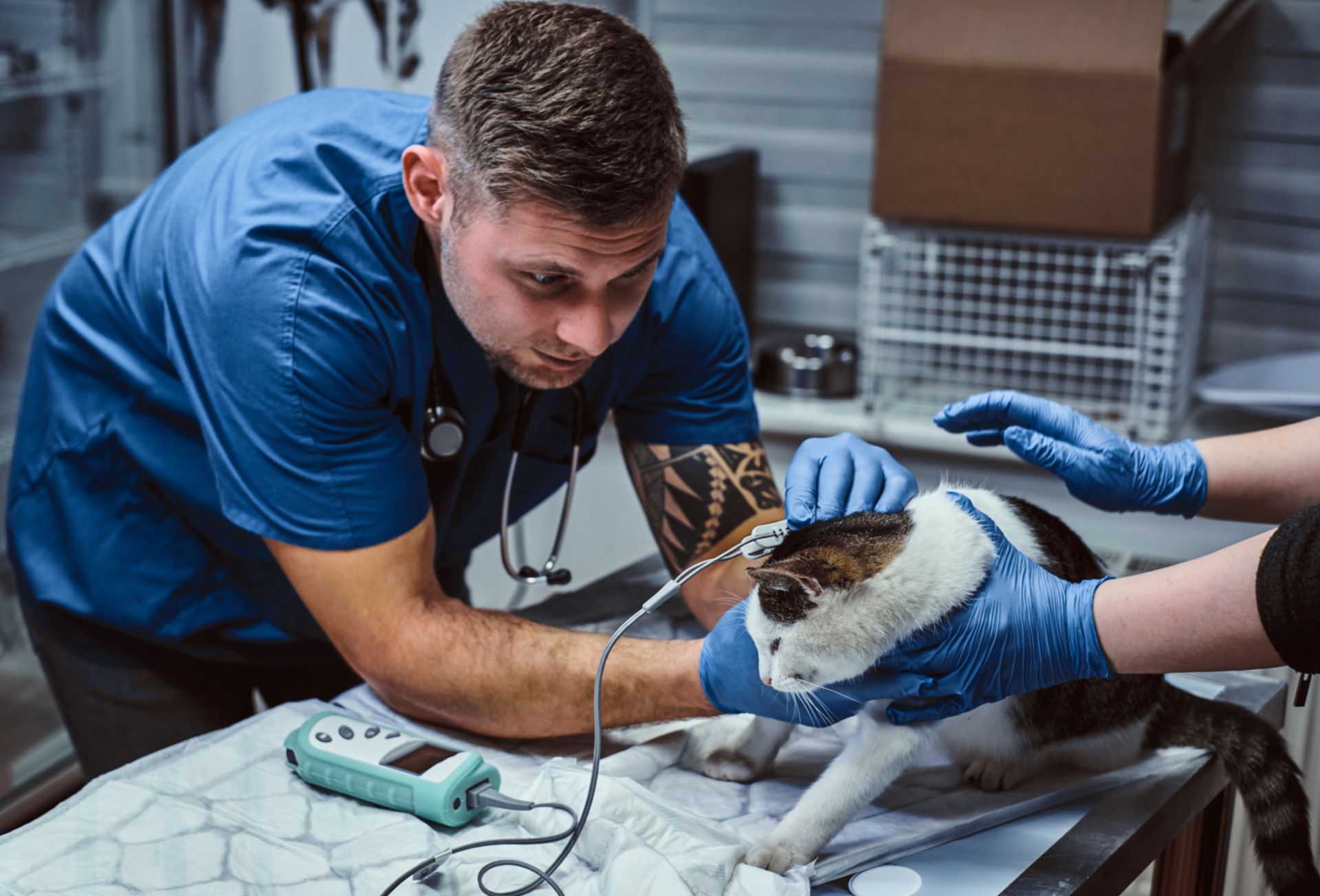
Integrating parasite control into routine veterinary care ensures that preventive efforts extend throughout the animal's life. Regular health check-ups include parasite screenings and reviews of existing preventive protocols, allowing for timely adjustments. Educating pet owners about the significance of preventive parasite control motivates adherence to veterinarian-recommended practices. This integration underlines the importance of comprehensive care that encompasses all aspects of animal health. By embedding parasite control as a routine care component, veterinarians uphold a consistent barrier against parasitic threats.
Routine Health Screenings and Check-ups
Importance of Regular Veterinary Visits
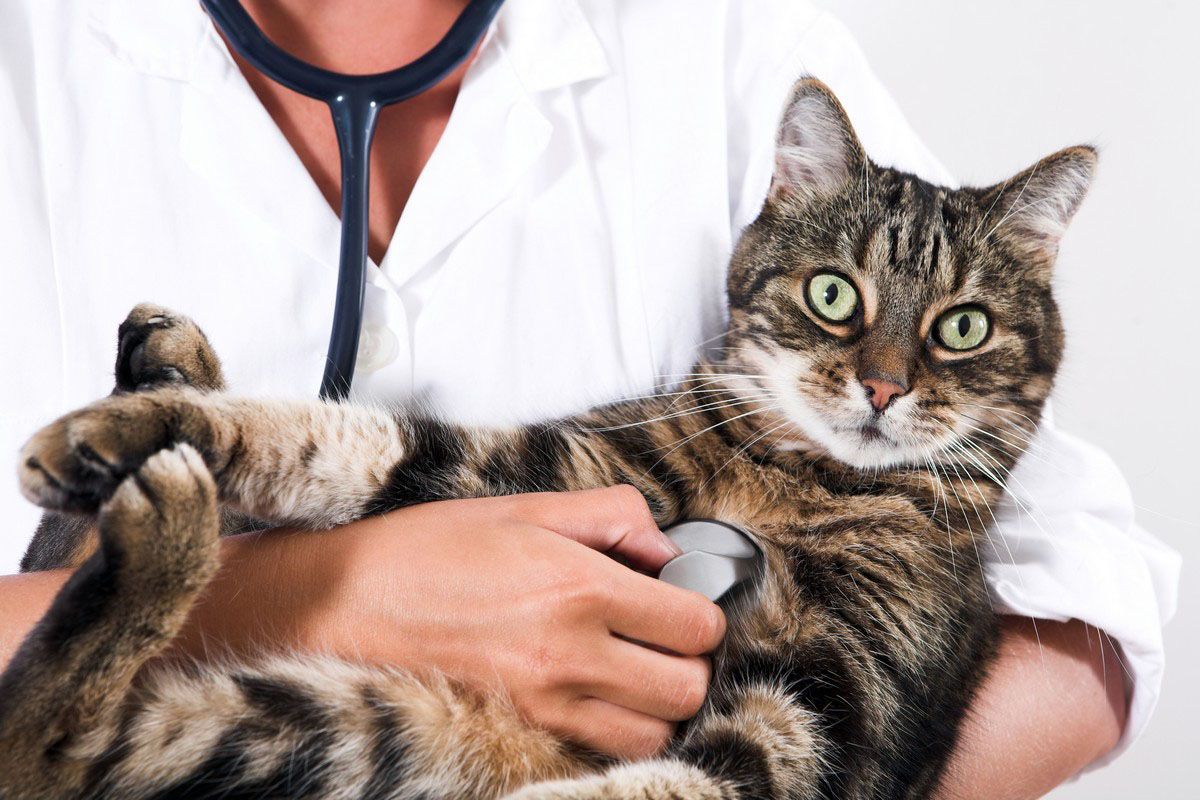
Regular veterinary visits are fundamental to preventive care, allowing early detection of health issues and fostering long-term wellness. Routine check-ups facilitate comprehensive assessments that encompass physical examinations, behavioral evaluations, and vaccination reviews. These visits provide an opportunity for veterinarians to update preventive protocols, supporting tailored health strategies for each animal. Establishing a regular check-up schedule promotes proactive care and strengthens the vet-client relationship. Routine veterinary care ensures that animals receive timely interventions that uphold health and well-being across their lifespan.
Diagnostic Tests for Early Disease Detection
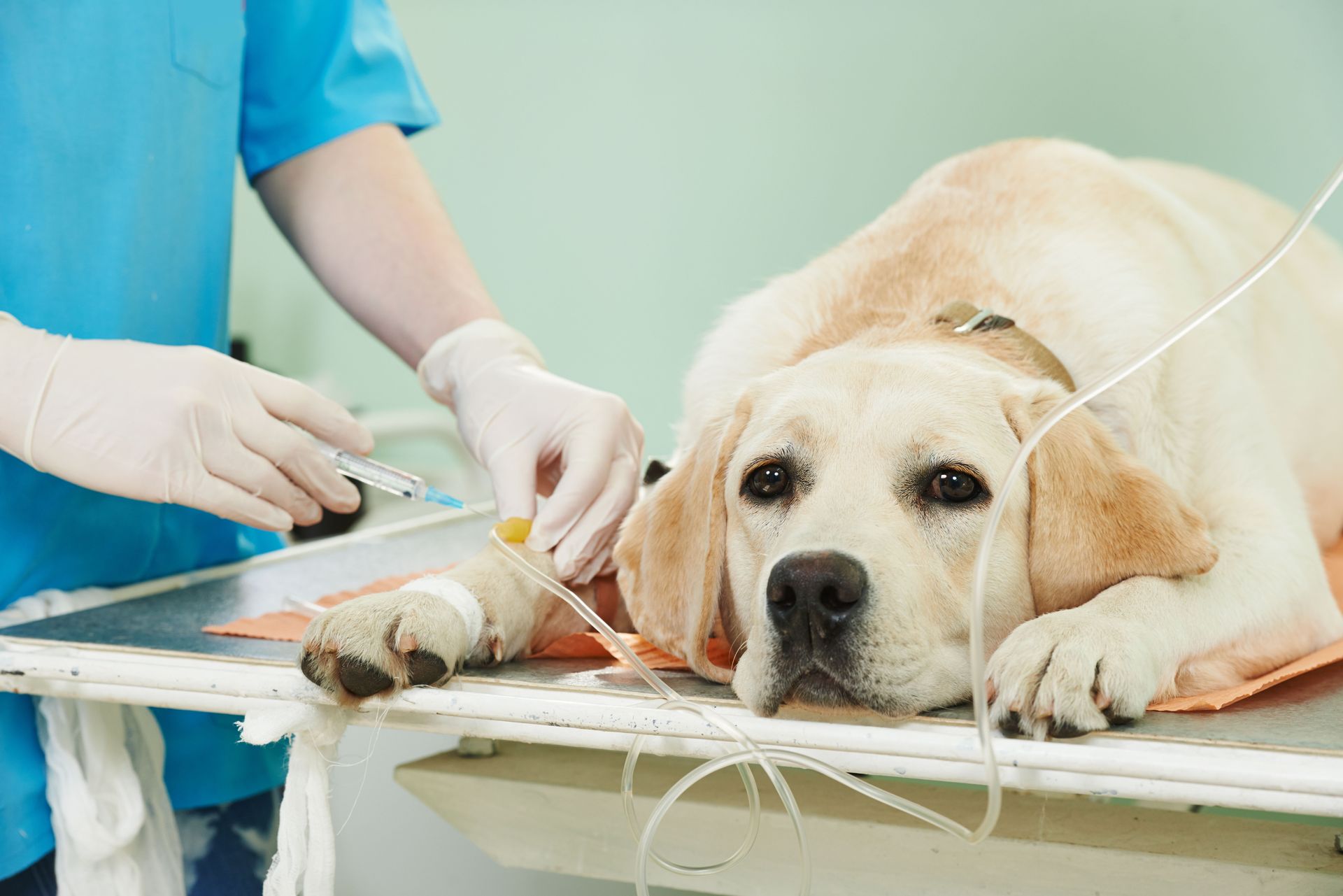
Diagnostic tests are vital tools in the early detection of diseases, guiding subsequent preventive or therapeutic measures. These tests encompass blood work, imaging, and specific disease screenings that unveil underlying conditions before symptoms manifest. Early detection maximizes the effectiveness of treatment, prevents complications, and reduces the need for aggressive interventions. Veterinarians leverage diagnostic capabilities during routine visits to ensure comprehensive health evaluations. By incorporating diagnostic tests, preventive care strategies extend beyond basic assessments to embody a more thorough healthcare approach.
Age-Specific Health Assessments
Age-specific health assessments address the unique needs and risks that accompany different life stages in animals. Young animals require developmental evaluations and vaccinations, while older animals may face age-related conditions that benefit from more frequent monitoring. Tailoring health assessments to life stages ensures relevant care that anticipates and mitigates potential health issues effectively. These assessments not only consider physical health but also incorporate factors like nutrition, activity, and mental well-being. With age-specific assessments, veterinarians adapt preventive measures to align with evolving animal needs, promoting sustained health.
Preventive care stands at the core of responsible animal ownership, offering a proactive approach that supports long-term health, comfort, and quality of life. By prioritizing balanced nutrition, keeping vaccinations up to date, maintaining consistent parasite control, and committing to routine veterinary visits, pet owners contribute to a healthier future for their animals. According to Forbes, 66% of U.S. households own a dog, underscoring how essential it is for families nationwide to understand and participate in preventive care practices. When veterinarians and pet owners work together, animals receive comprehensive protection from avoidable illnesses, allowing them to thrive at every stage of life. Reach out to Greentree Animal Hospital today to learn more about how you can keep your pet happy and healthy.