January 21, 2026
Your first visit to a local vet can be a mix of excitement and anxiety for both you and your pet. Understanding the process can help you feel prepared and ensure a smooth experience. This guide will walk you through what to expect and how to make the most of your initial visit. Taking the time to know what will happen can help you feel more confident and allow your pet to experience a calmer, more comfortable visit. Being prepared can reduce stress for both you and your pet and set the stage for a positive relationship with the veterinarian.
Gather Your Pet's Medical History
Collect Complete Vaccination and Test Records
Before heading to the local vet, collect any medical records, vaccination history, and previous test results your pet has. These documents help the veterinarian make informed decisions about your pet's health. If any paperwork is missing, contact your previous clinic to obtain the necessary information. Having a complete medical history not only speeds up the consultation but also ensures nothing is overlooked. Even small details about past illnesses or medications can provide valuable context for the local vet. Bringing organized and comprehensive records helps you feel more confident going into the appointment and allows the staff to focus on your pet's immediate needs.
Prepare Questions or Concerns
Writing down questions or concerns before the appointment ensures you cover all topics during the visit. Consider questions about diet, exercise, or any changes in your pet's behavior. Being specific about symptoms or lifestyle changes allows the veterinarian to provide more precise guidance. Including even minor concerns can be helpful, as sometimes small observations reveal larger health trends. Preparing a thoughtful list also makes sure the visit is efficient and thorough, leaving less room for forgetting important details during the discussion with the veterinarian.
Check In
Get to the Clinic Early
Arrive a few minutes early to allow time for check-in and any necessary paperwork. A relaxed start sets a positive tone for the visit and helps your pet acclimate to the new environment. Arriving early also allows you to observe the clinic environment and help your pet adjust gradually. Taking a moment to let your pet explore or settle can make them feel more comfortable, which can lead to a calmer and smoother appointment overall.
Complete Pet and Payment Paperwork
Provide information about your pet and payment details during check-in. Accurate documentation ensures the veterinarian has the necessary background to assess your pet's health effectively. Completing paperwork carefully helps prevent delays and ensures the staff has all the information needed to support a thorough and organized visit. It also gives you an opportunity to highlight any specific concerns or preferences regarding your pet's care, which helps the veterinarian tailor their approach appropriately.
Assess Your Pet's Initial Health
A technician or assistant may take your pet's vital signs and collect basic health information. This preliminary check provides essential data to guide the veterinarian's consultation. Observing your pet during this step also helps the staff become familiar with your pet's behavior and comfort levels. This early assessment sets the stage for the veterinarian to focus on detailed examination and ensures that any immediate concerns are noted promptly.
Meet the Veterinarian
Discuss Questions and Health Concerns
Share any questions or observations about your pet's health. Open communication ensures all concerns are addressed, from diet and exercise to any physical changes. Being thorough in your descriptions can help the veterinarian understand your pet's habits and any unusual patterns. Clear dialogue promotes a collaborative approach to your pet's care and ensures no important information is overlooked.
Review Your Pet's Lifestyle and Grooming Habits
The veterinarian may ask about your pet's diet, exercise routine, living environment, and grooming habits. According to SNS Insider, 47% of U.S. pet owners performed grooming tasks at home in 2024. These details provide a comprehensive view of your pet's overall well-being. Providing honest and detailed answers helps the veterinarian recommend suitable routines and care strategies. Lifestyle information is important for maintaining your pet's health and addressing potential issues proactively before they develop into more serious concerns.
Examine Medical History Records
The vet will review your pet's medical history to understand past treatments, vaccinations, and any chronic conditions. This information helps guide preventive care and ongoing health management. Reviewing records also allows the veterinarian to identify patterns or trends that might inform current or future care. Thorough record examination ensures that your pet receives the most informed and effective treatment possible.
Conduct Preliminary Physical Exam
A basic physical exam may include checking your pet's fur, skin, eyes, ears, and overall condition. This initial assessment sets a baseline for tracking health over time. Preliminary exams establish a foundation for any recommended preventive care or routine wellness follow-ups.
Undergo the Medical Examination
Perform Detailed Physical Assessment
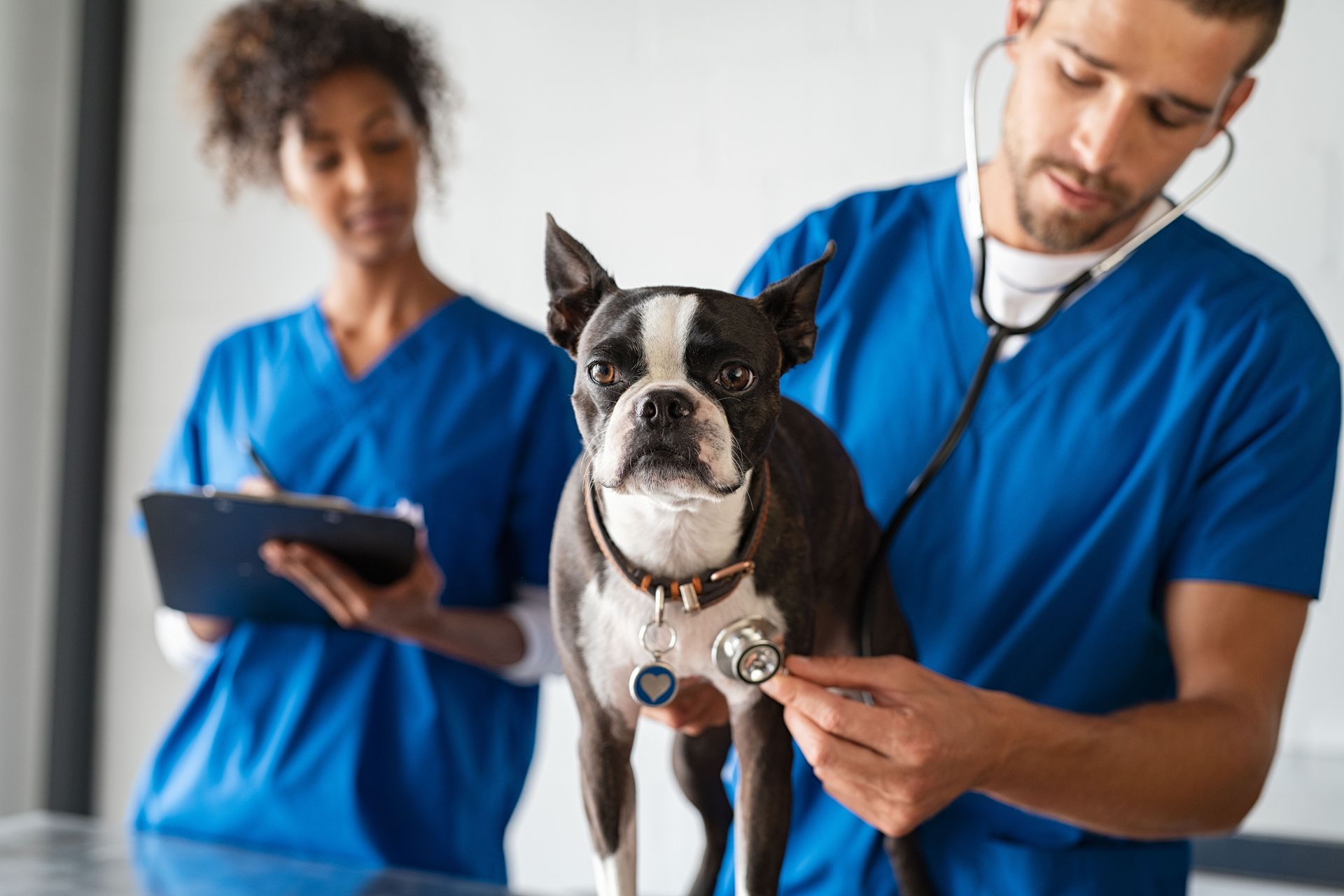
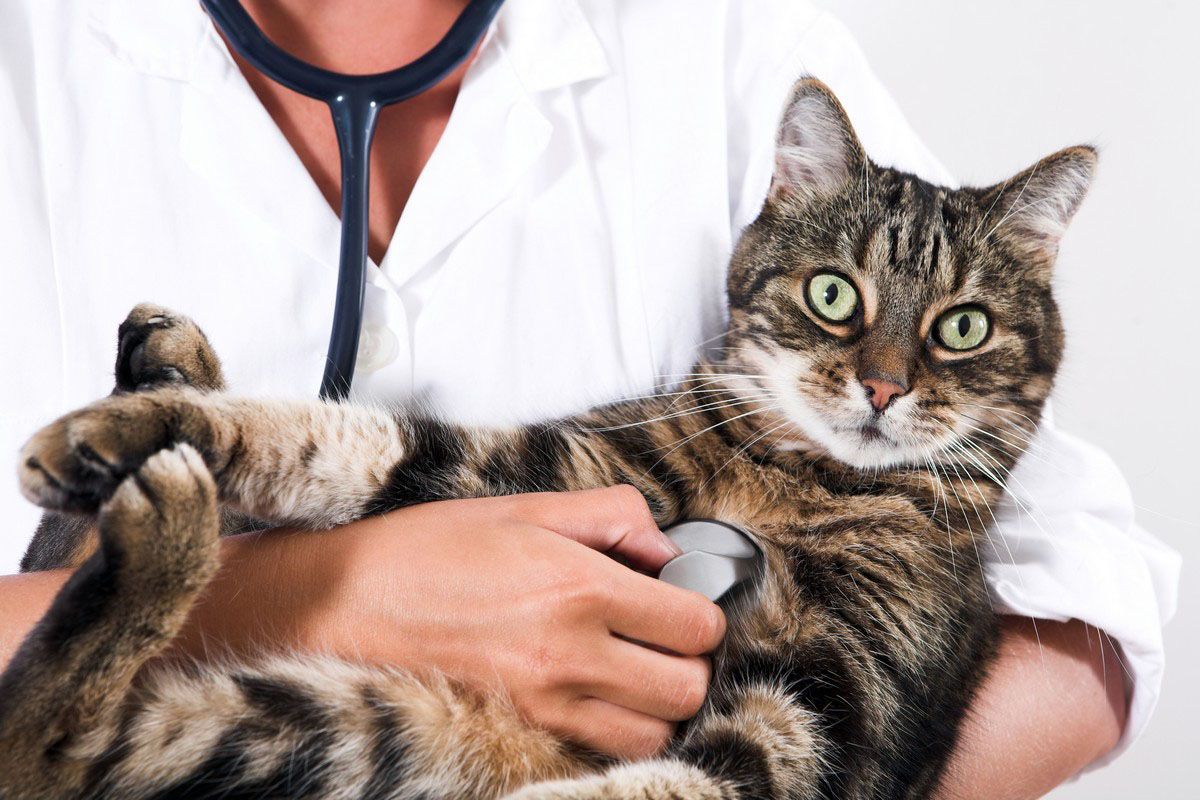
The veterinarian performs a thorough physical exam, checking vital organs and systems. Listening to the heart and lungs, palpating the abdomen, and examining other areas helps identify potential health concerns. A careful and methodical approach during the physical assessment ensures that no detail is overlooked and gives a complete picture of your pet's current health.
Conduct Diagnostic Tests as Recommended
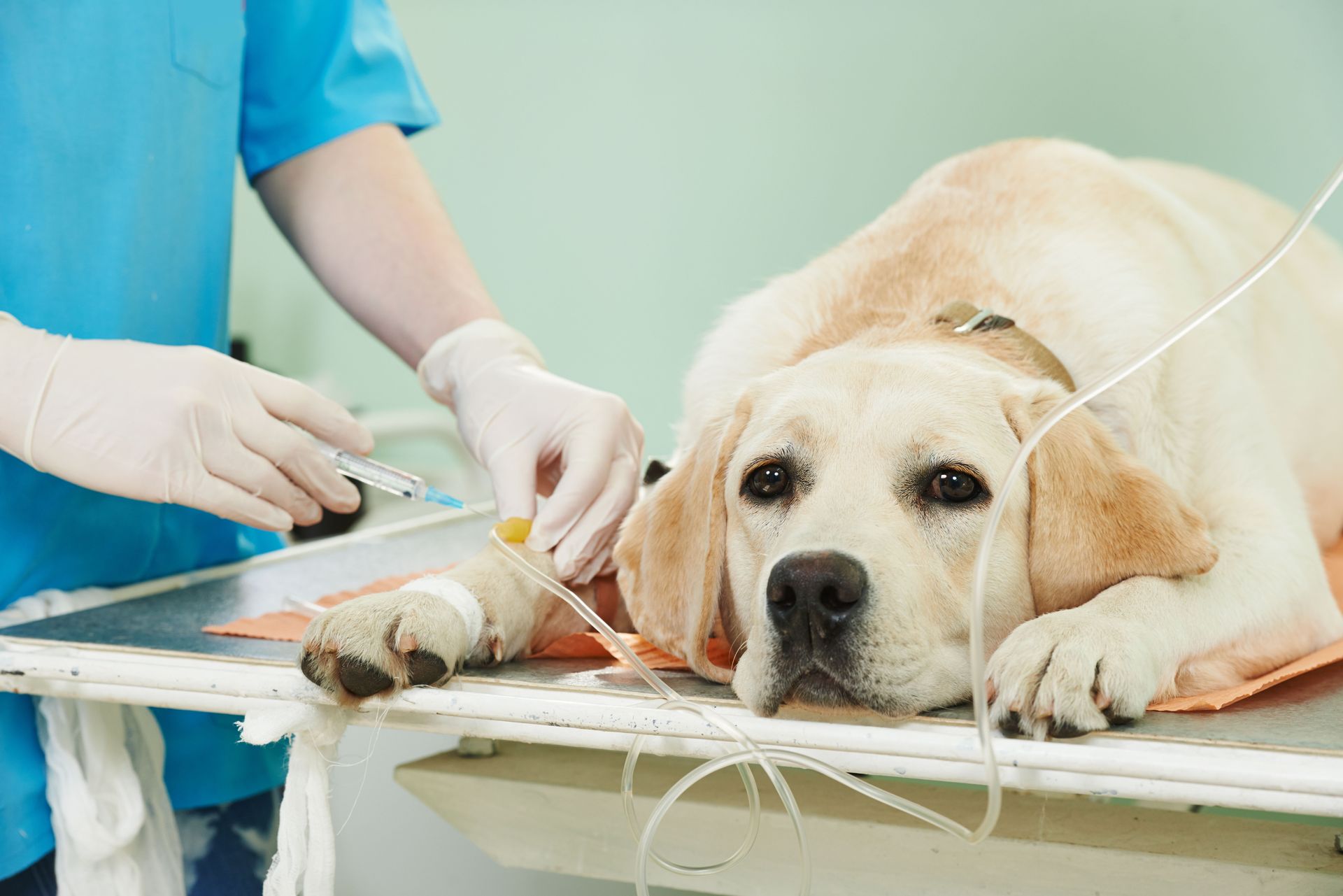
Depending on the exam, the local vet may recommend routine diagnostic tests such as blood work or x-rays to gain a deeper understanding of your pet's health status. These tests provide additional insight and help the veterinarian make informed recommendations for preventive care or wellness monitoring.
Review Vaccination Status and Preventive Measures
Vaccinations and preventive measures will be reviewed and updated as needed. Preventive care may also include parasite control and general wellness advice. Staying up-to-date on these measures helps protect your pet from common illnesses and ensures ongoing health monitoring. Preventive care is an essential part of maintaining a happy, active, and healthy life for your pet.
Conduct Post-Examination Consultation
Review Exam Findings
After the exam, the veterinarian will discuss any findings. Understanding these insights helps you take the next steps in maintaining your pet's health. Reviewing findings also provides an opportunity to ask follow-up questions, clarify instructions, and gain confidence in how to care for your pet at home.
Develop a Customized Care Plan
A local vet can develop a care plan tailored to your pet's specific needs. This can include lifestyle recommendations, dietary guidance, or follow-up care to support long-term wellness. A personalized plan ensures that your pet receives focused attention in areas that matter most, helping maintain health, comfort, and happiness.
Schedule Follow-Up Visits
If necessary, follow-up appointments will be scheduled to monitor your pet's health and ensure any treatment or preventive measures are effective. Regular check-ins help detect changes early and allow adjustments to care as needed. Consistent follow-ups build a comprehensive record of your pet's health over time, supporting preventive and ongoing care strategies.
Complete Post-Visit Procedures
Receive Prescriptions
If medications are required, the local vet will explain proper dosage and administration instructions. Understanding these details ensures the medication is effective and safe. Clear guidance supports proper adherence to the treatment plan and contributes to positive outcomes for your pet's health.
Follow Aftercare Instructions
Follow the veterinarian's guidance for at-home care, which may include medication schedules, dietary adjustments, or activity recommendations. Proper aftercare helps maintain your pet's health and supports recovery if needed. Following instructions carefully allows your pet to heal properly, minimizes complications, and ensures that the benefits of the visit are fully realized.
Your first visit to a local vet sets the stage for your pet's ongoing health and wellness. Preparing ahead and communicating openly during the appointment helps ensure a comfortable experience for both you and your pet. Understanding the process and participating in your pet's care supports long-term well-being. To learn more about comprehensive veterinary services and personalized care, visit Green Tree Animal Hospital, where our pets' health comes first.